



外資系SEOスペシャリスト
Takuma Oka (岡 拓馬)
こんにちは、岡 拓馬(おか たくま)です。
このブログでは、海外ノマド×SEO×ストック収入をテーマに、自分の経験や学びを発信しています。
高校卒業後は料理人としてスタートし、その後、航空自衛隊での勤務を経て、2016年からWebライター・SEOコンサルタントとして独立。現在は、海外の外資系企業と契約しながら、フルリモートで働いています。拠点はアジア各国を転々としており、最近はベトナムやタイ、マレーシア、フィリピンなどでノマド生活をしています。
Ever dreamed of visiting every prefecture in Japan?
I actually did it—then wrote down what it cost and what I loved in each region. Use this as a practical starter guide: quick highlights, food to try, and a transparent budget (planned vs. actual).
Hokkaidō
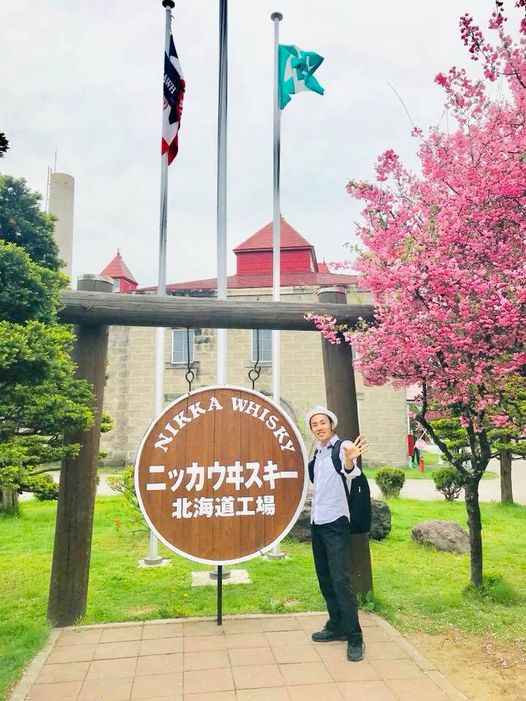
Hokkaidō is the northernmost and largest prefecture of Japan. Because of its size, there are countless places worth visiting. I rented a car and traveled through most areas except the far north, and the Niseko region stood out the most. Hokkaidō changes dramatically with the seasons—snowy landscapes in winter and fresh greenery in summer—so it is best to visit more than once and experience both.
Tōhoku Region
The Tōhoku region is located in the northeast of Honshū and is famous for its beautiful nature and delicious seafood. Each prefecture has its own unique culture, traditions, and dialects, which makes traveling here very interesting. Sendai in Miyagi is the largest city in the region and feels very different from the quieter rural areas. Festivals such as the Nebuta Festival in Aomori and local foods like kiritanpo hotpot in Akita are among the highlights.
Aomori
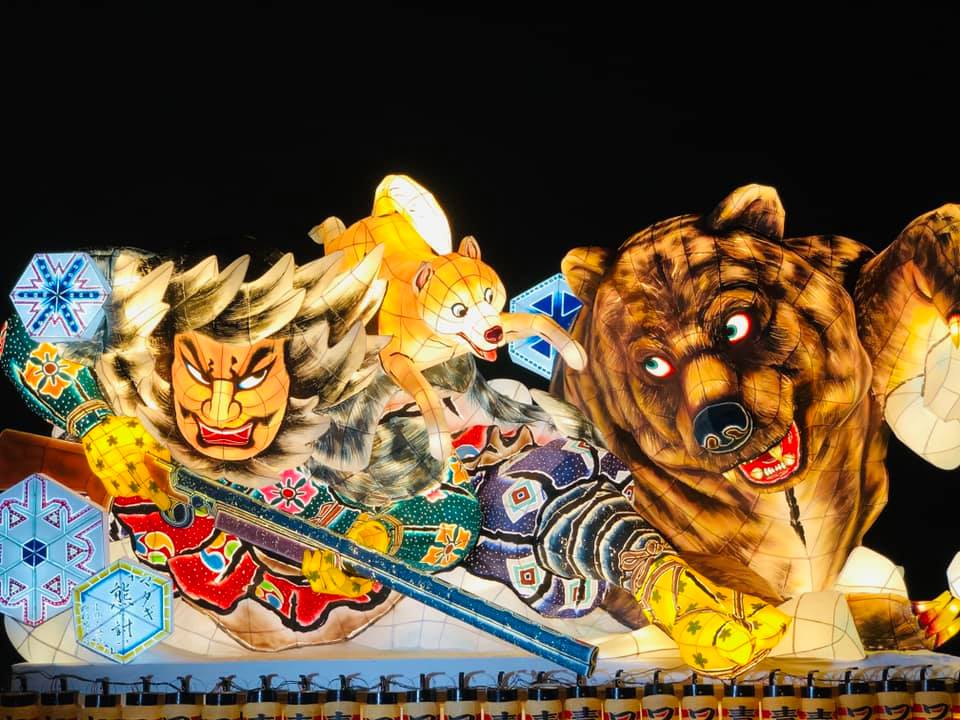
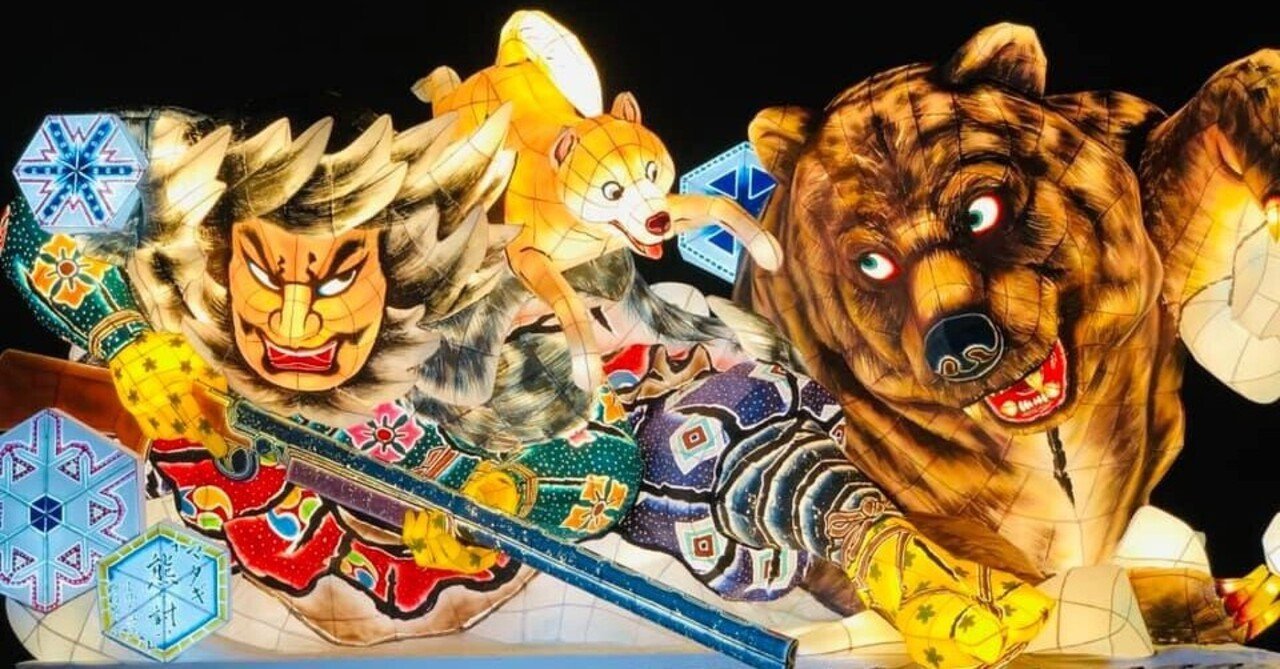
Aomori is best known for the Nebuta Festival, where huge illuminated floats parade through the city each summer. Even outside the festival season, visitors can see the floats in local museums. The festival usually attracts about three million people each year, making it one of Japan’s most exciting cultural events.
Akita
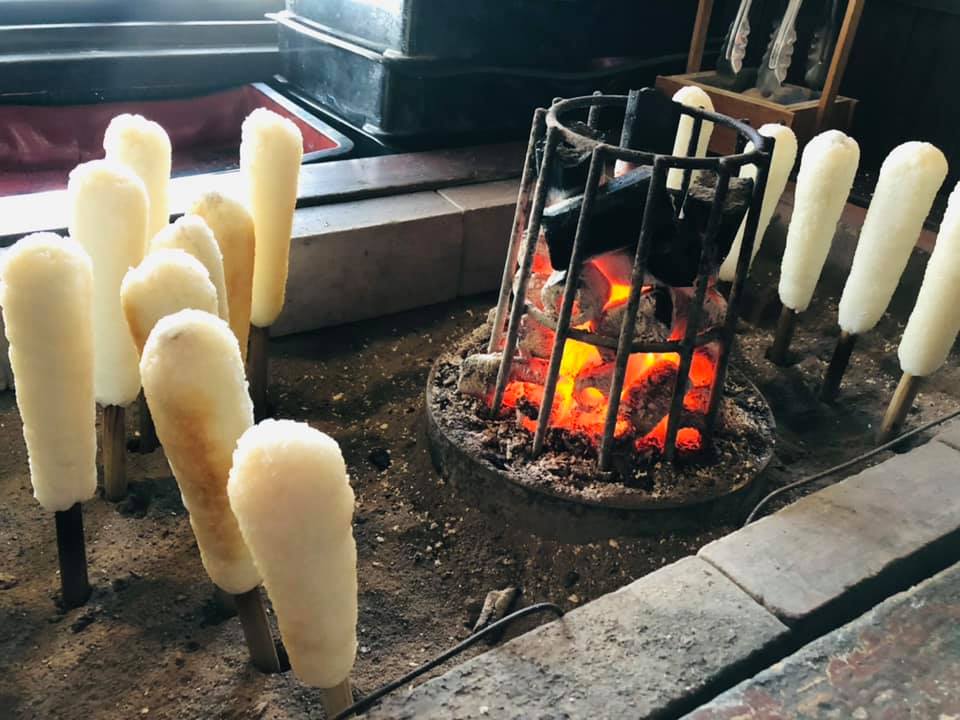
Akita is often associated with the image of “Akita beauties,” but it is also famous for kiritanpo hotpot. Near Akita Station, you can easily find restaurants serving this warm local dish. The prefecture also hosts the Akita Kanto Festival, with its tall lantern poles carried through the streets.
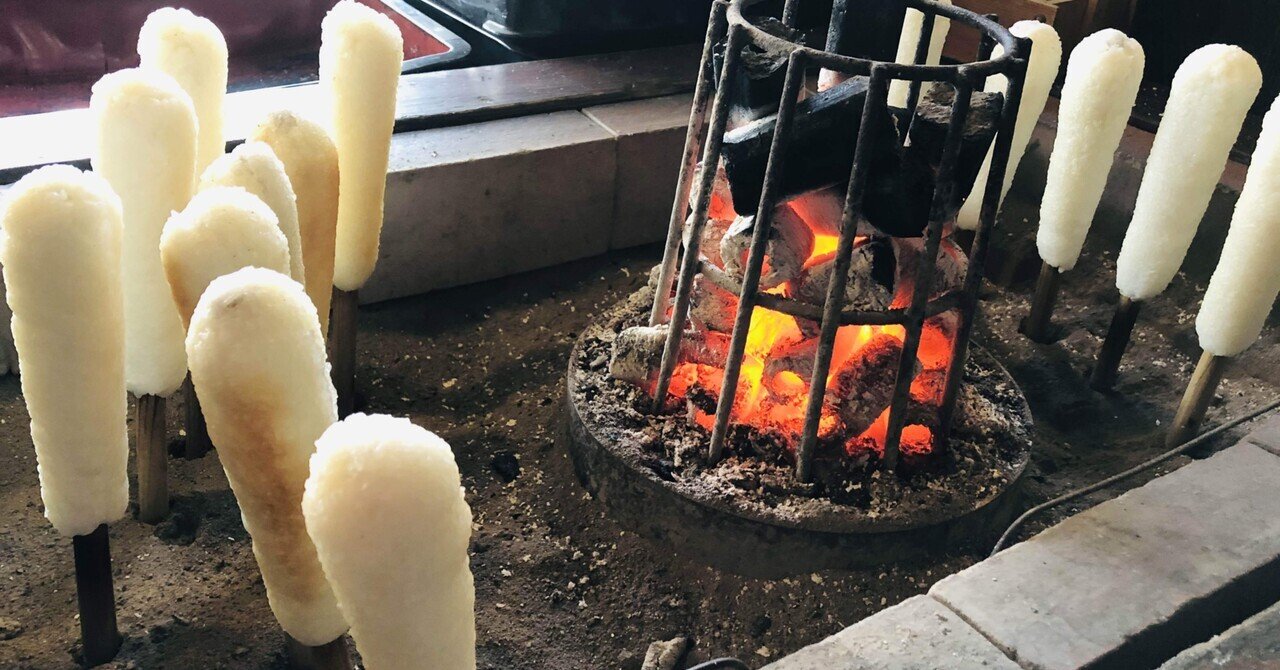
Iwate
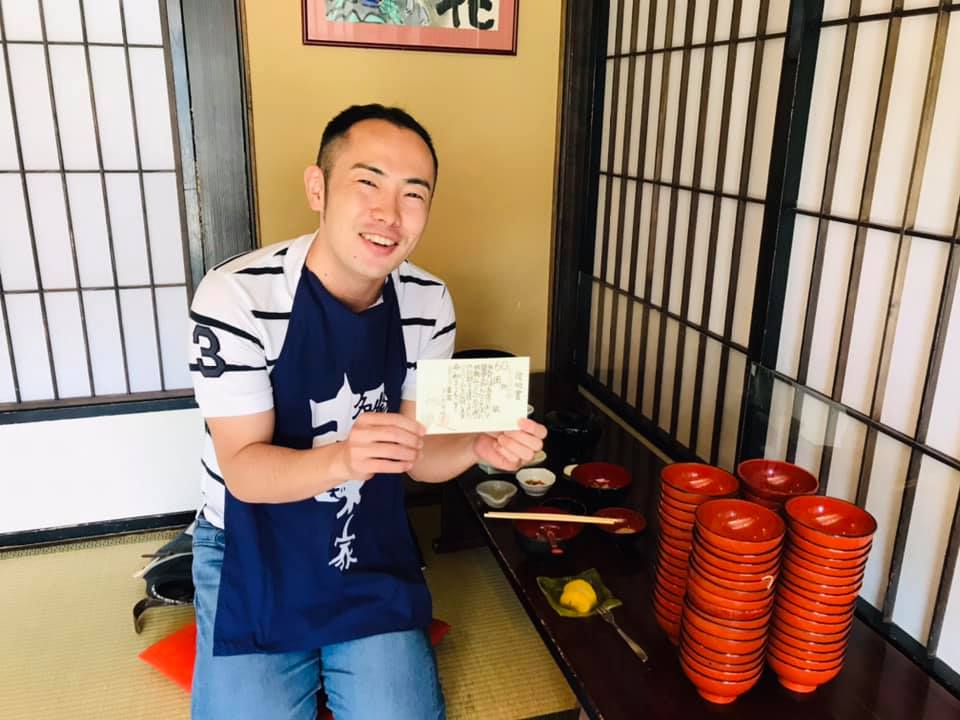
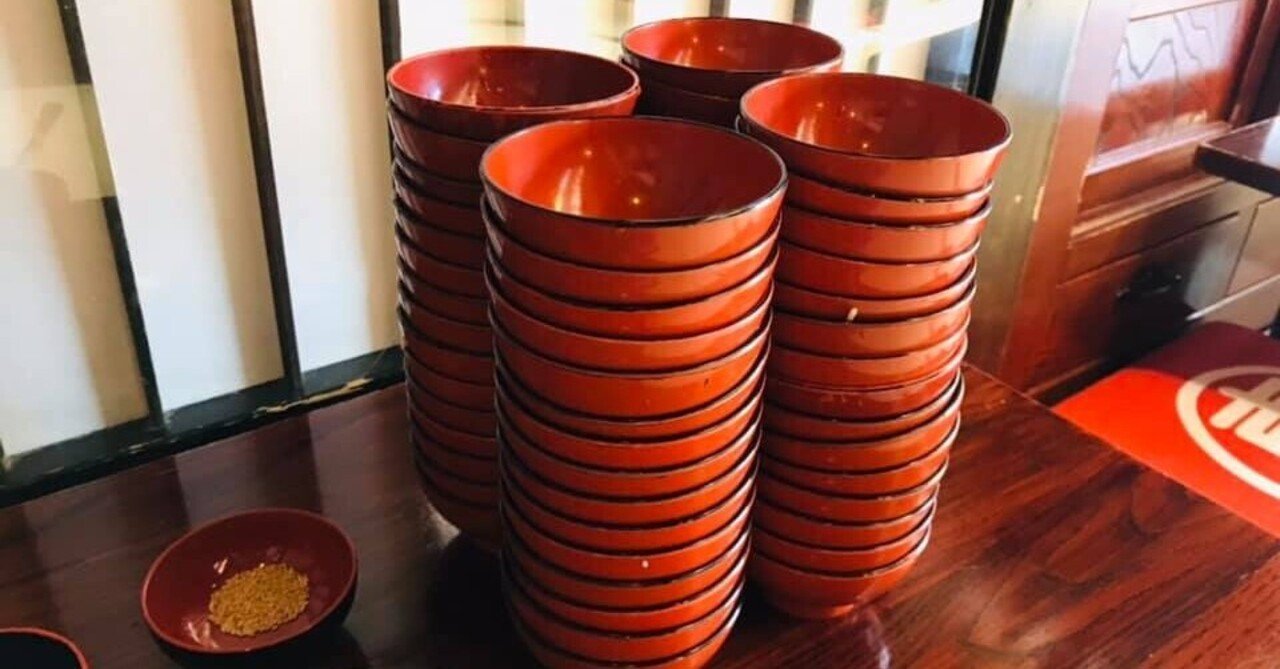
Iwate’s capital Morioka is home to the famous wanko soba challenge. Diners eat endless small bowls of soba noodles until they cannot continue. At first it is fun, but it quickly becomes a test of stamina. It is a unique experience worth trying once in a lifetime.
Yamagata
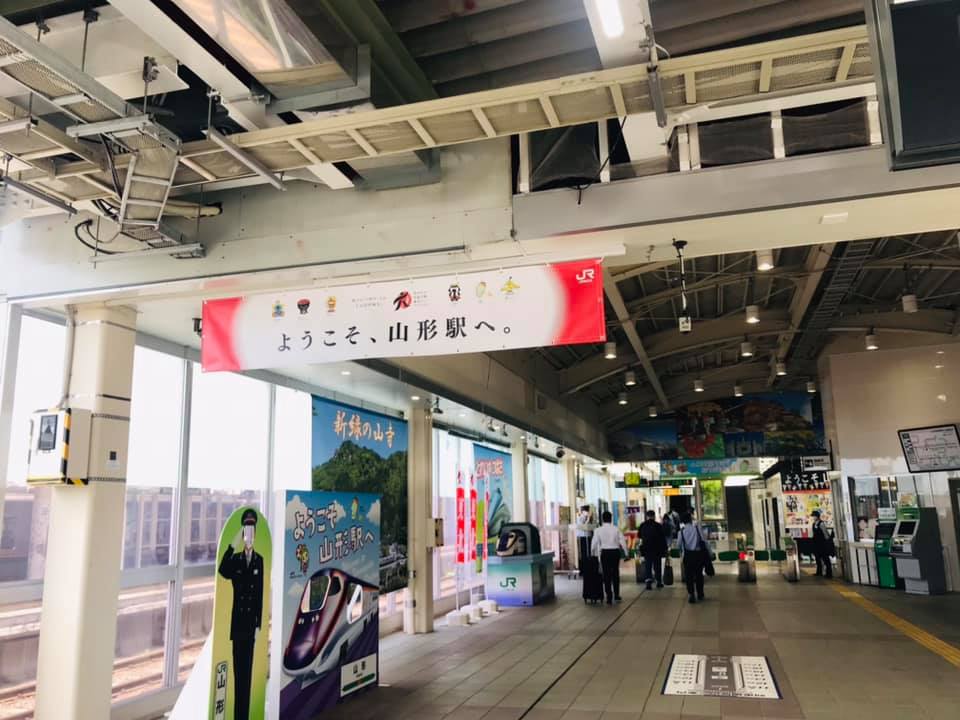
Yamagata is known as the “cherry prefecture.” The city has a calm, rural atmosphere, and local restaurants use fresh produce from the surrounding farmland. In summer, cherries and other fruits are plentiful, making it a great destination for food lovers.
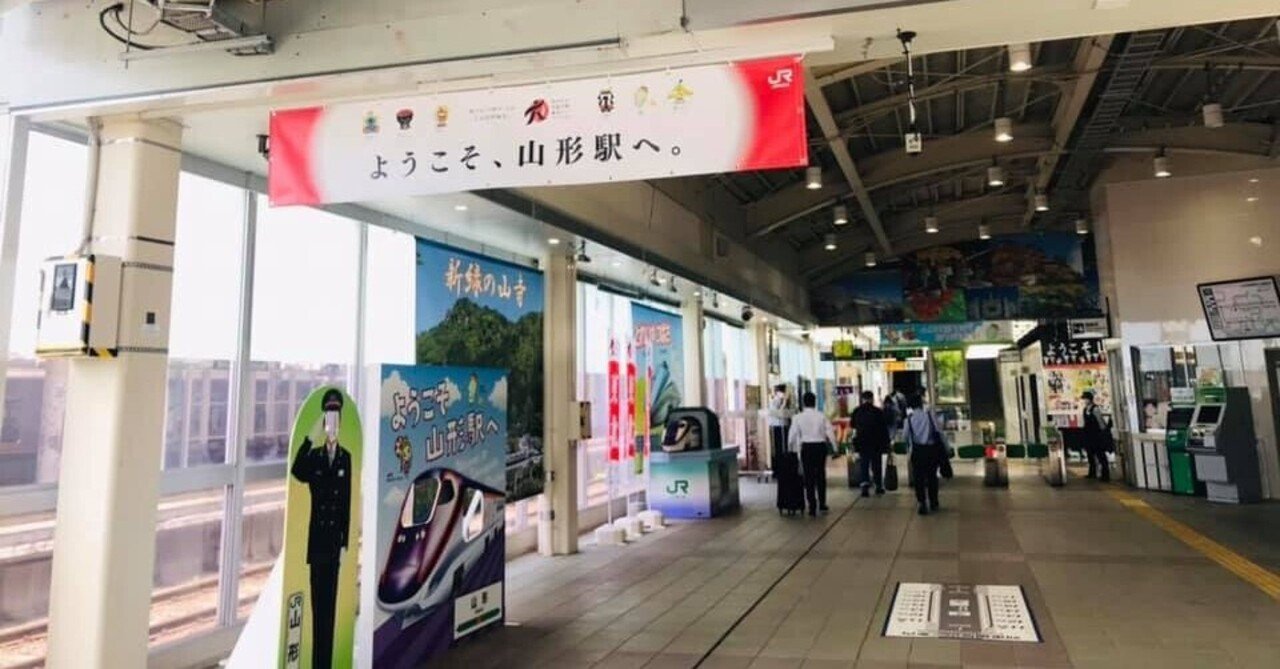
Miyagi
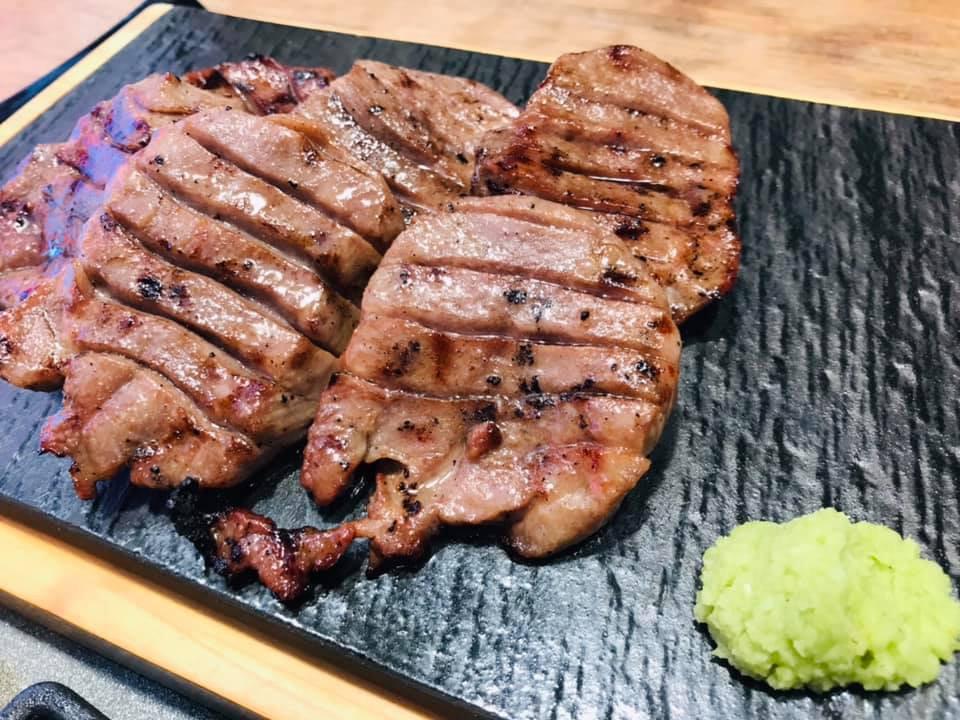
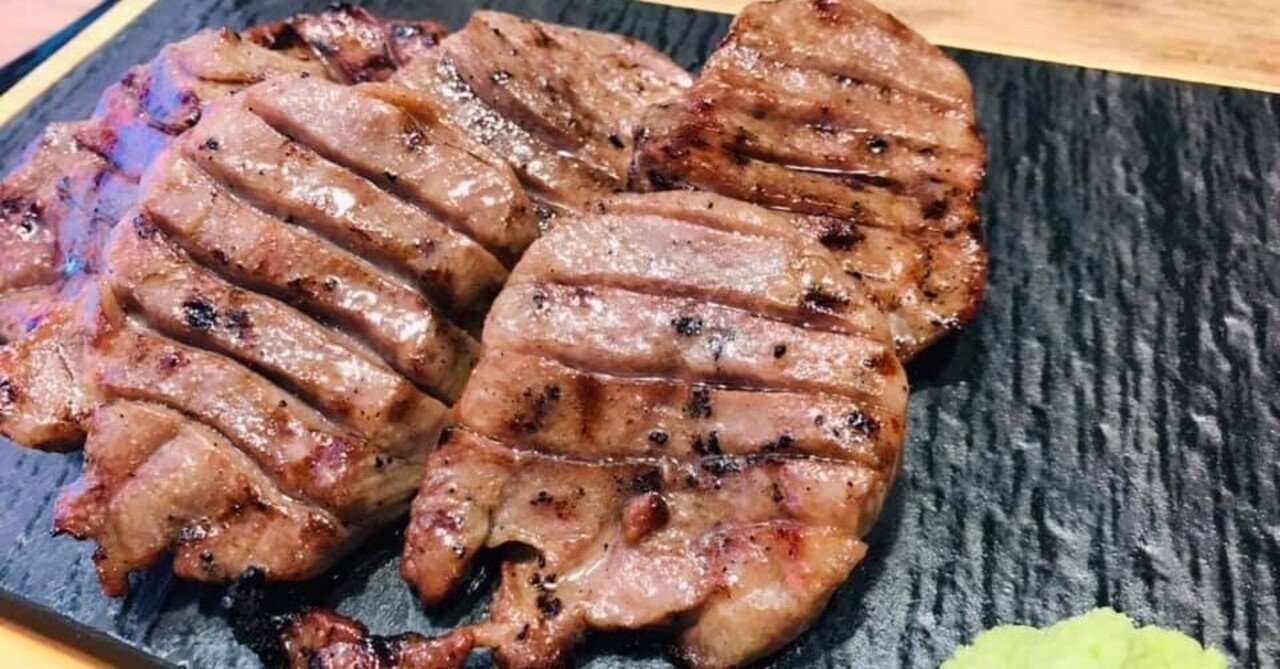
Miyagi’s main city, Sendai, is the largest in Tōhoku and feels vibrant and modern compared to neighboring areas. The local specialty is gyūtan, or beef tongue, which is served thick and juicy. Sendai also has historical ties to the famous samurai lord Date Masamune.
Fukushima
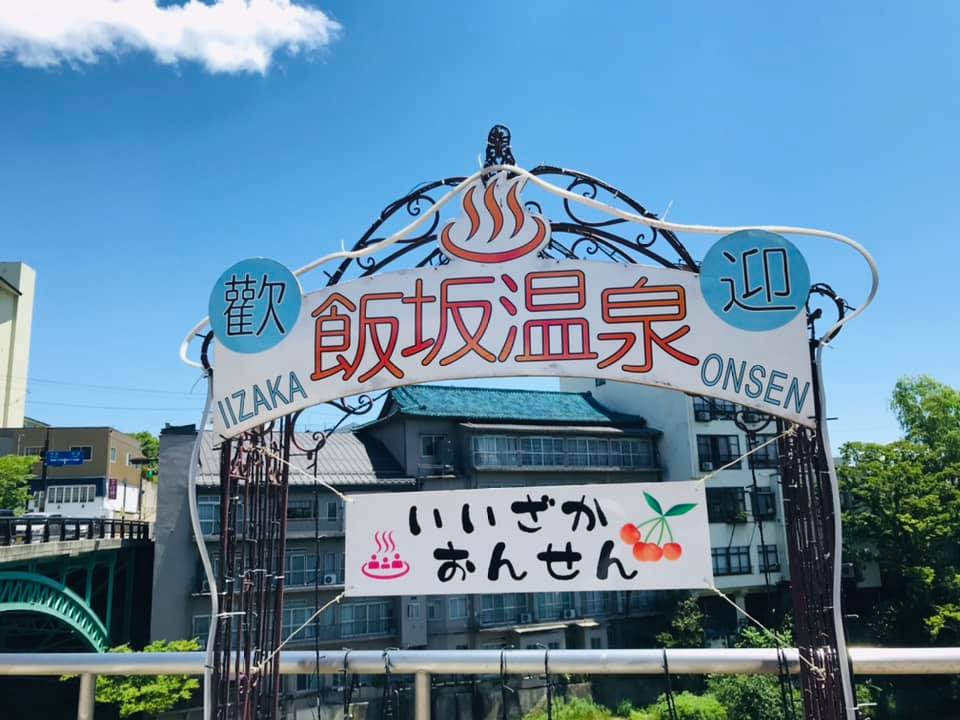
Fukushima is a prefecture still remembered for the 2011 earthquake and nuclear disaster, but today life continues normally in its cities. Visitors can enjoy hot springs, local cuisine, and the warmth of the people. It is a destination that combines resilience with natural beauty.
Kantō Region
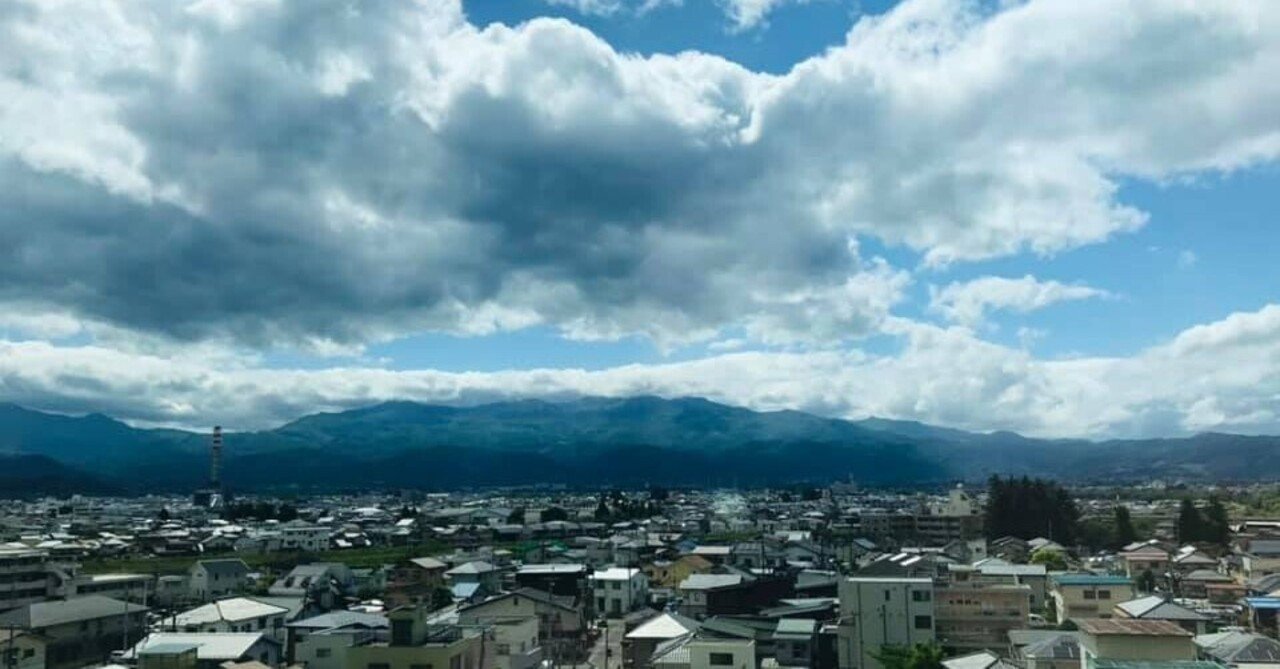
The Kantō region is home to Japan’s capital, Tokyo, and several other large cities. It is one of the most urbanized areas in the country, but each prefecture has its own character. Life here feels fast-paced compared to rural Japan, and prices are generally higher. At the same time, there are countless cultural landmarks, modern attractions, and famous foods to enjoy.
Ibaraki
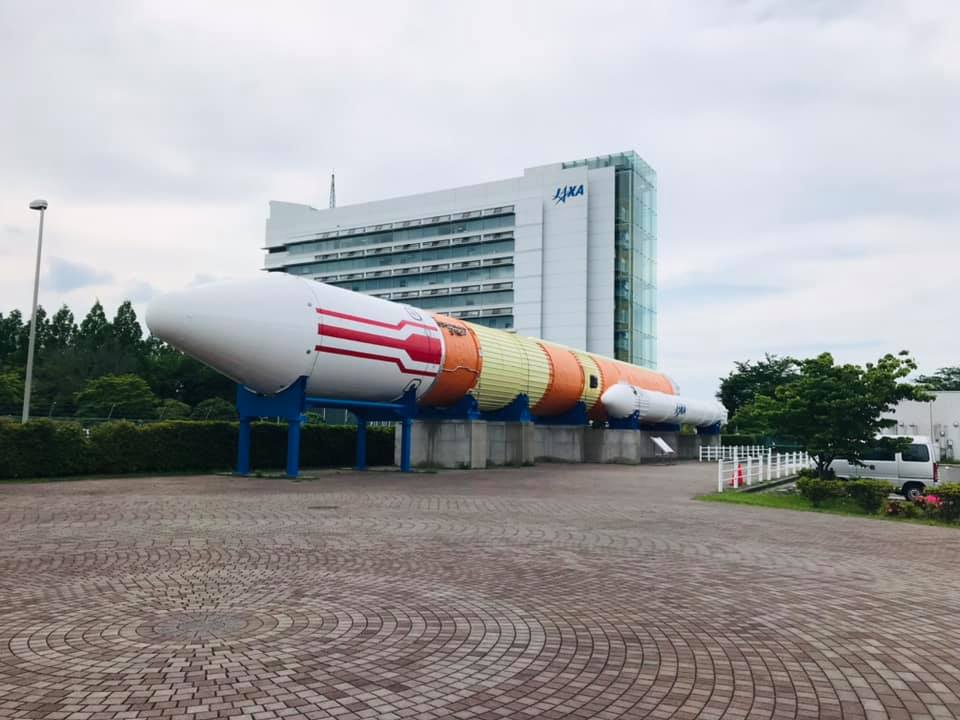
Ibaraki is known for the JAXA Tsukuba Space Center, where visitors can see exhibitions about Japan’s space program. The facility is free to enter and is a must for anyone interested in space and science.
Tochigi
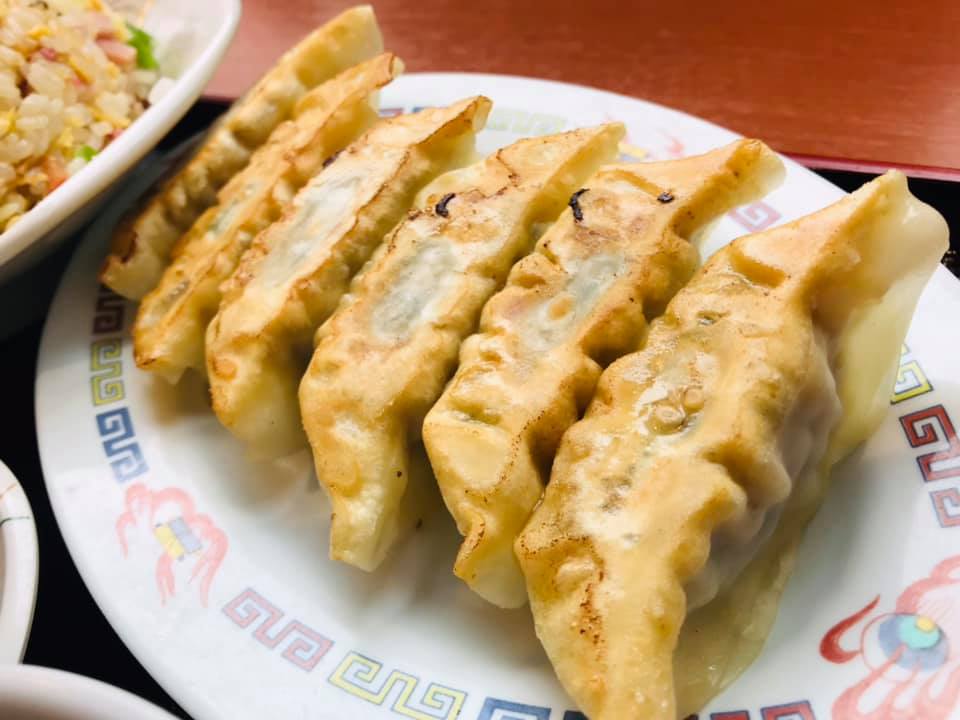
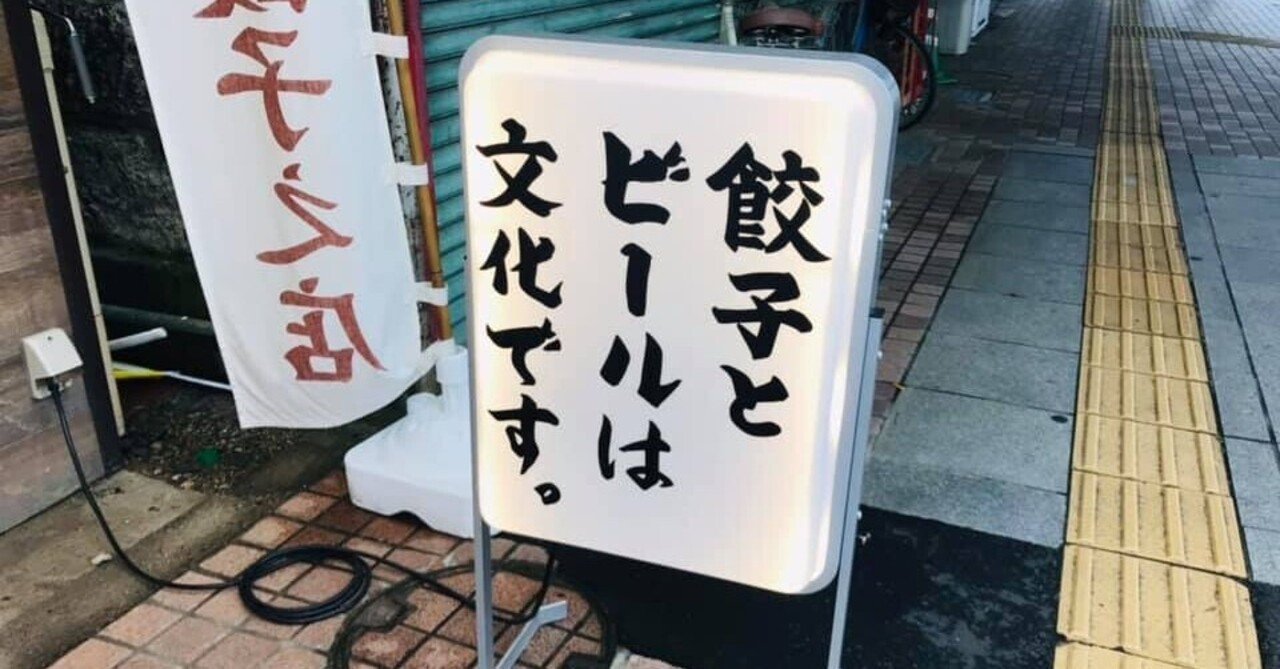
Tochigi is most famous for Utsunomiya gyoza. The city has many gyoza shops around the station, and it can be hard to choose where to eat. Nikko, with its shrines and nature, is also one of Japan’s most popular sightseeing areas.
Gunma
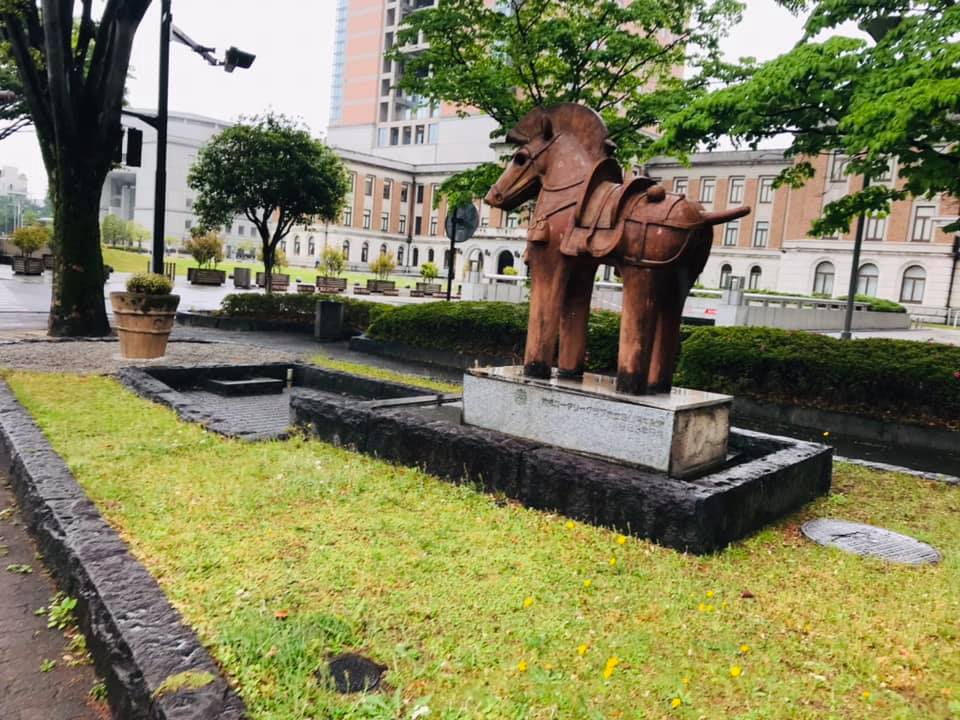
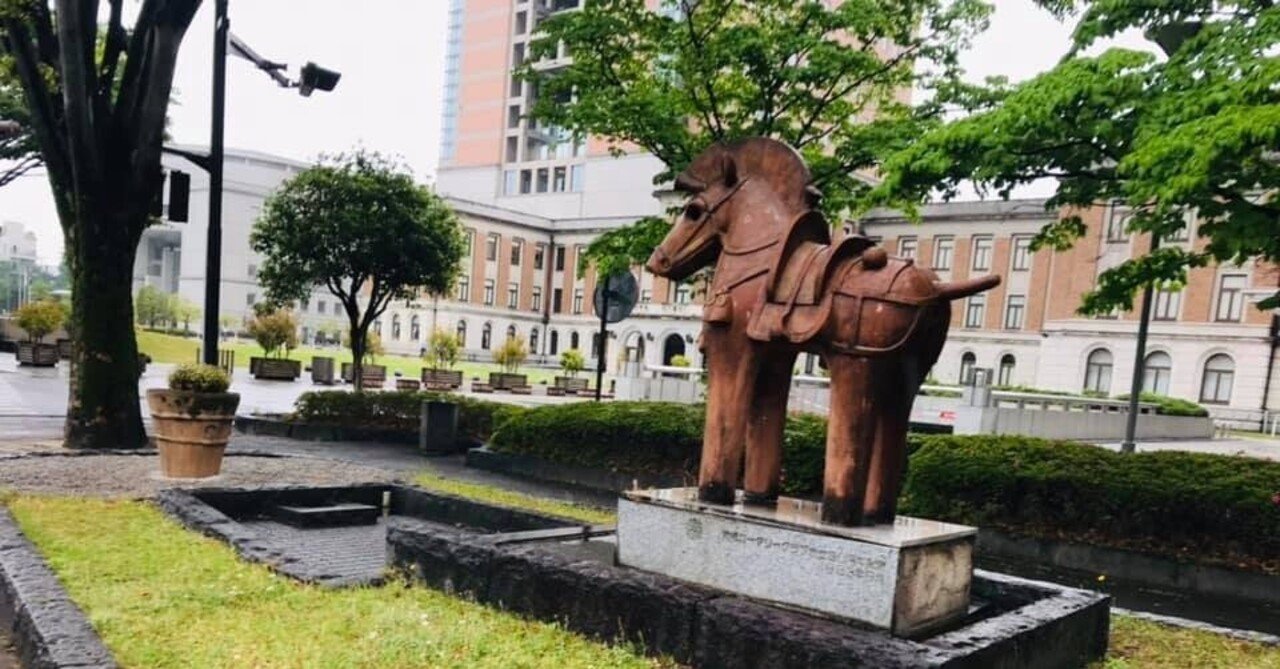
Gunma’s capital, Maebashi, feels quiet compared to Tokyo despite being close. The prefecture is best known for Kusatsu Onsen, one of Japan’s most famous hot spring resorts, although it is a bit far from the city center.
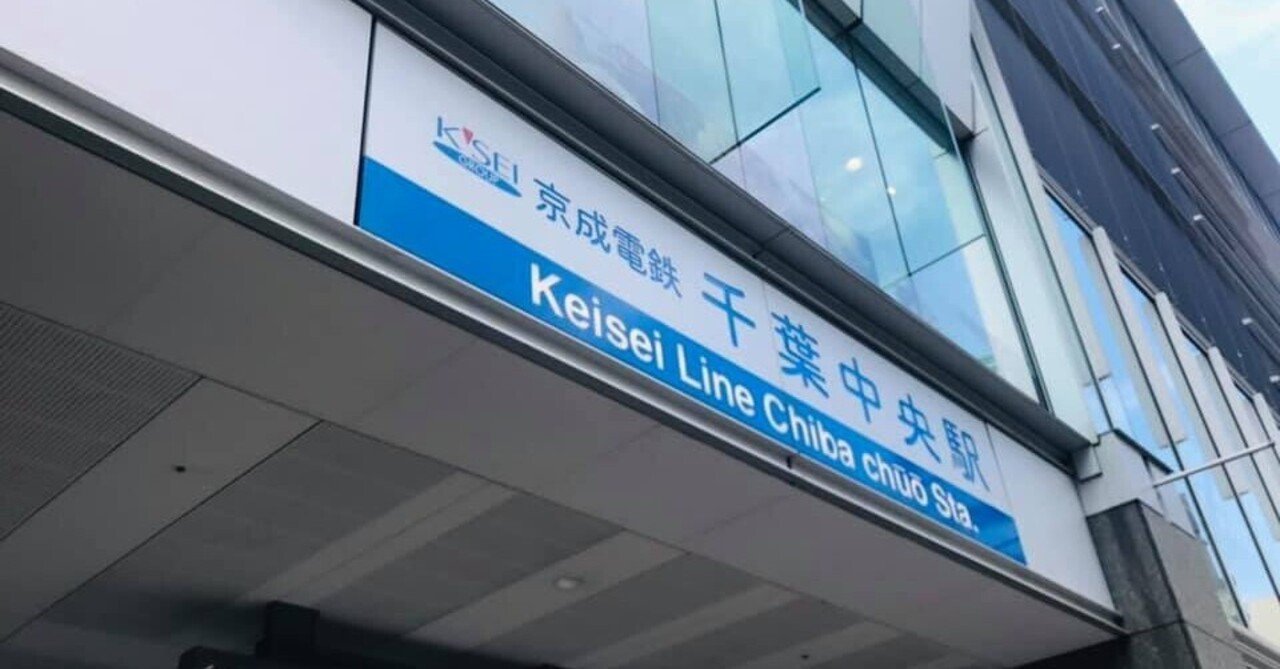
Chiba
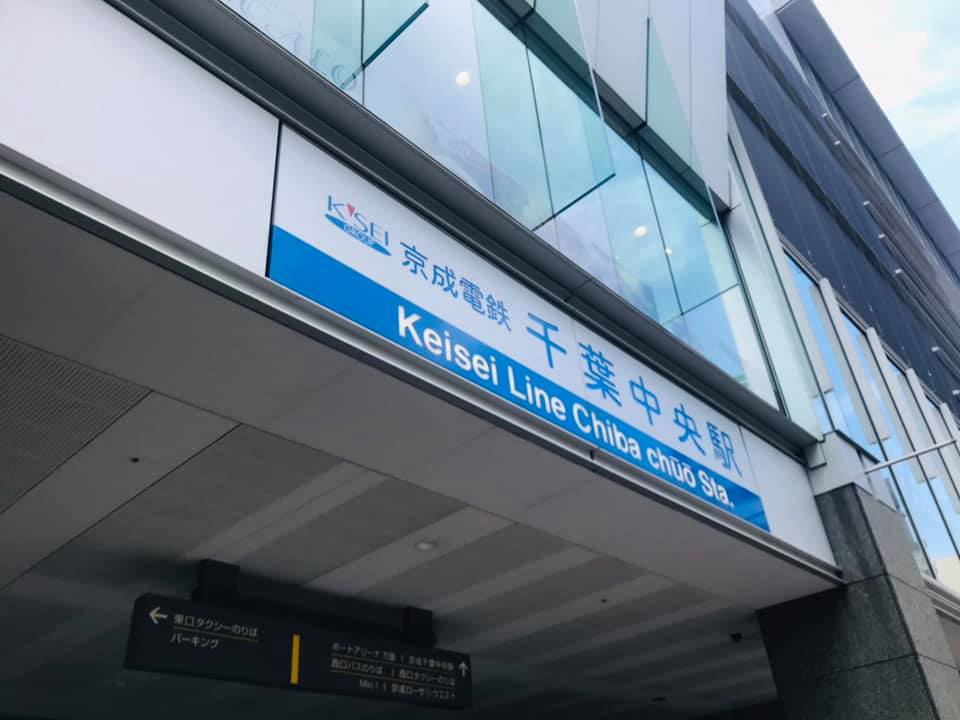
Chiba is home to Tokyo Disney Resort, one of Japan’s most visited attractions. The northern part of the prefecture feels urban, while the southern part has a much more rural atmosphere. It offers a mix of big-city fun and countryside calm.
Saitama
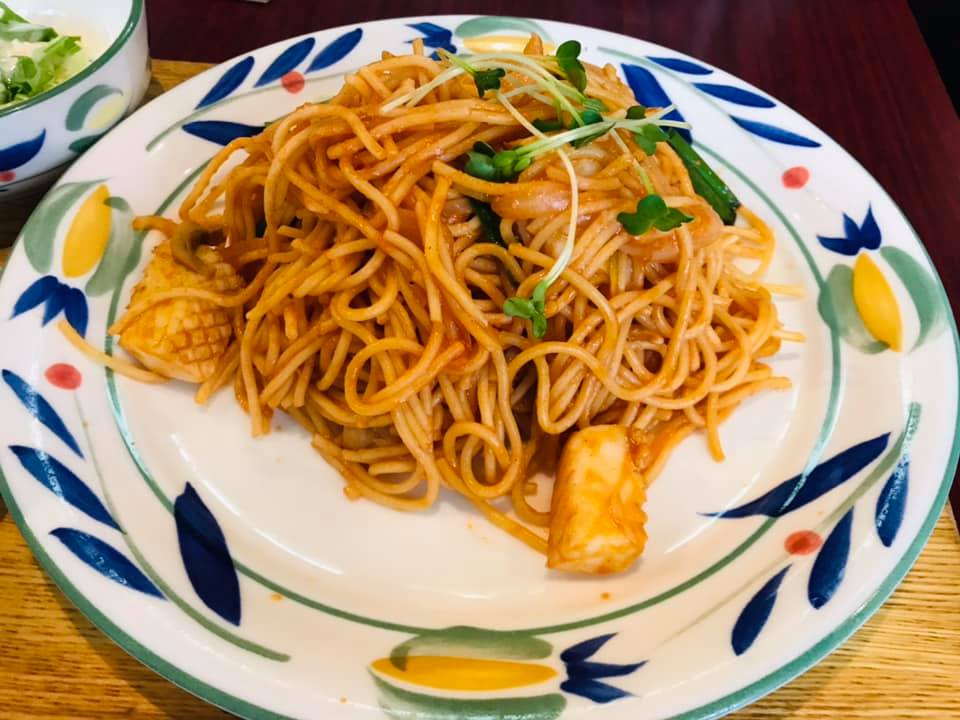
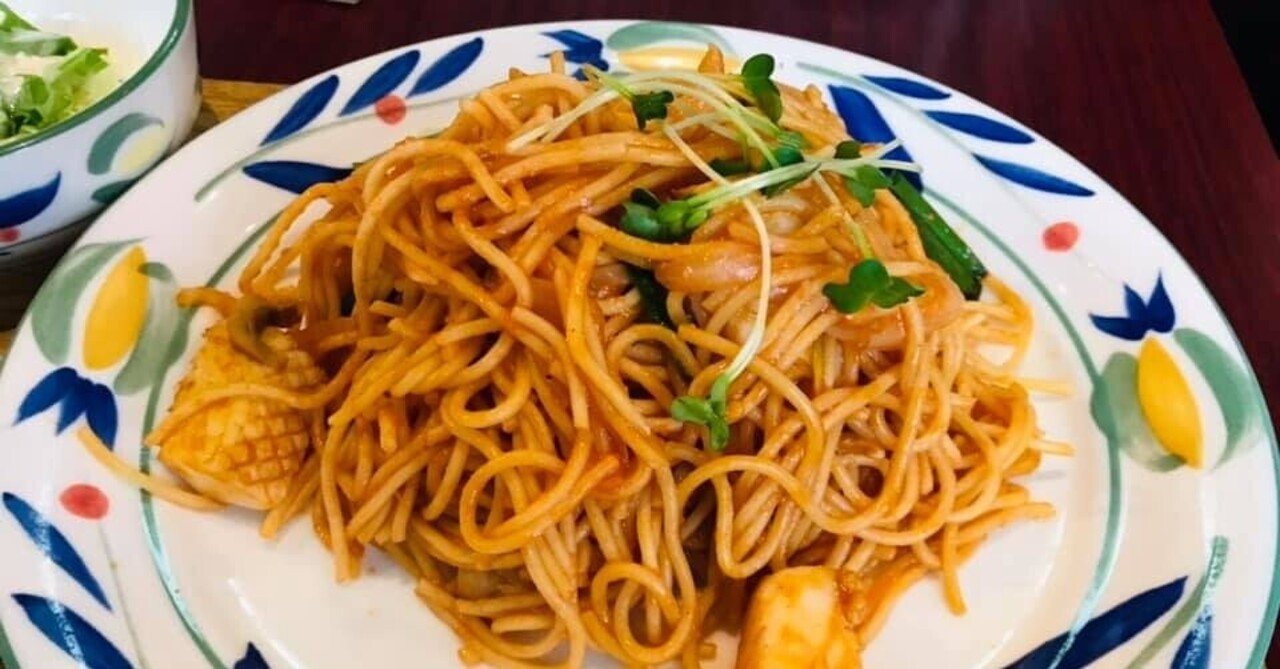
Saitama is famous for Ōmiya, a busy area with many young people and more than 50 restaurants serving “Ōmiya Napolitan,” a local pasta dish. The prefecture is often seen as part of the greater Tokyo area but has its own lively identity.
Tokyo
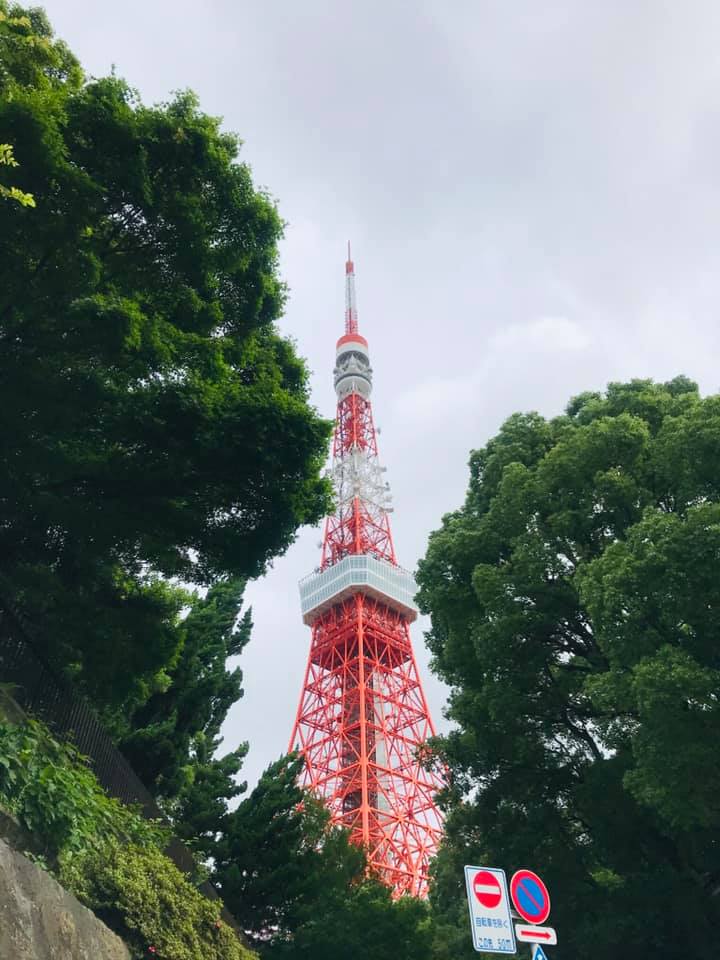
Tokyo is Japan’s capital and one of the most dynamic cities in the world. Landmarks include Tokyo Tower, Shibuya Crossing, and countless shopping and entertainment districts. It combines tradition and modern life in a way that few other cities can match.
Kanagawa
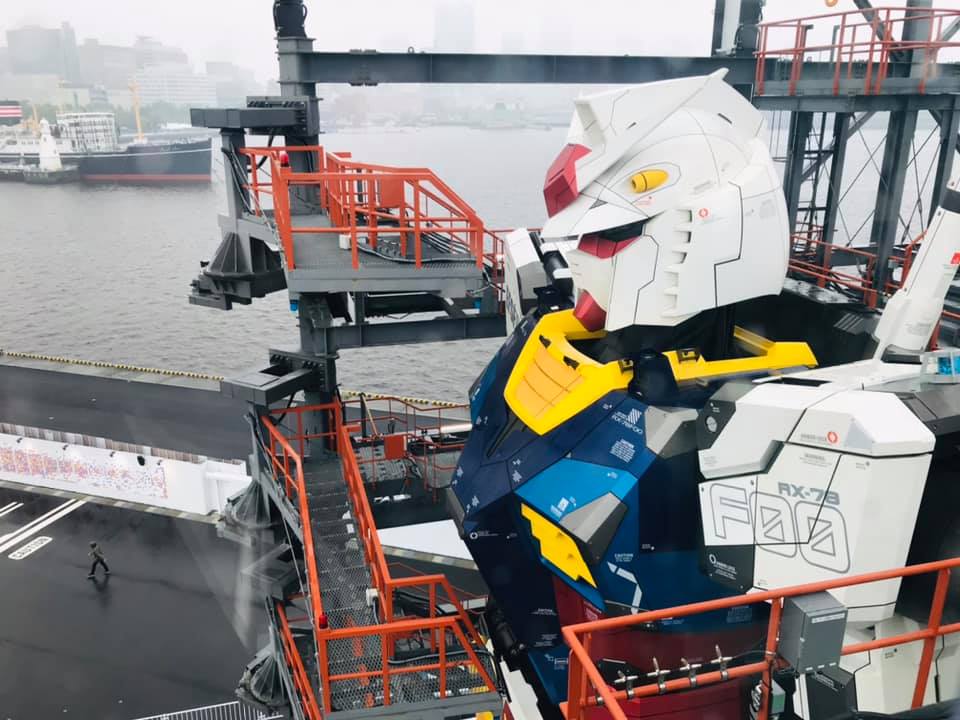
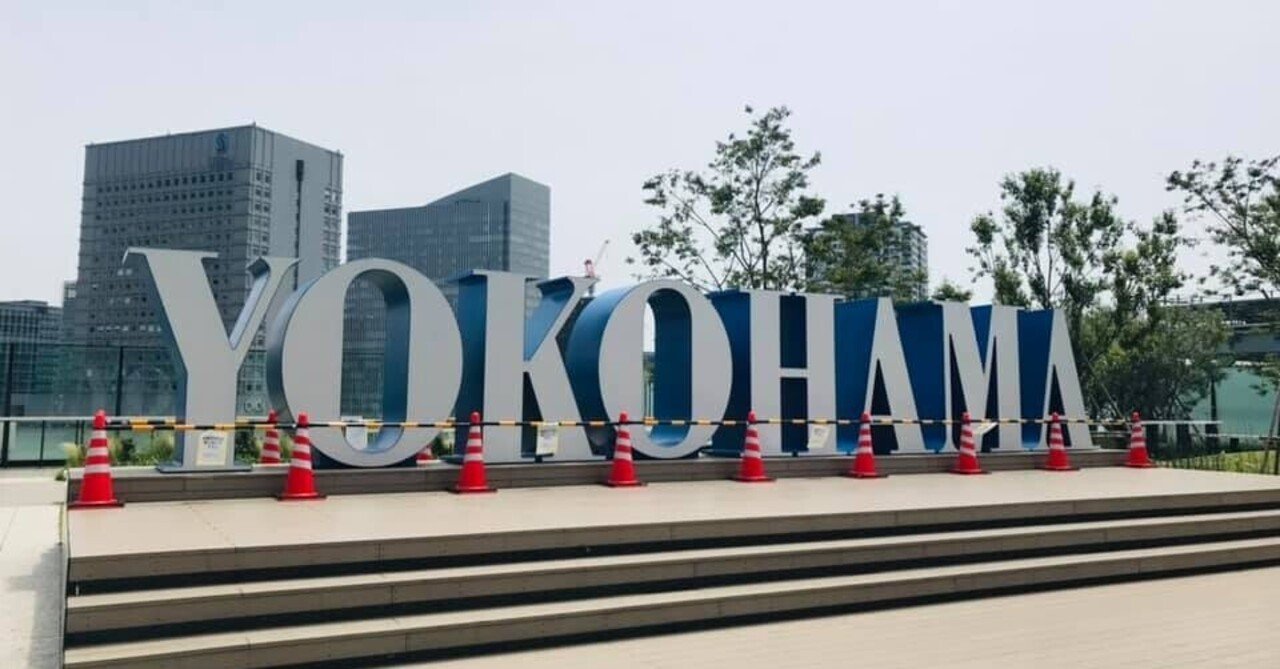
Kanagawa is home to Yokohama, a stylish port city known for its waterfront and cosmopolitan atmosphere. A recent highlight has been the life-size moving Gundam exhibition near the harbor, which attracts fans from across the country.
Chūbu Region
The Chūbu region is located in central Honshū and stretches from the Sea of Japan to the Pacific Ocean. It has both coastal areas and the Japanese Alps, with many mountains over 3,000 meters. Winters are snowy, especially along the Sea of Japan side, and the region is also known for delicious food and beautiful natural scenery.
Niigata
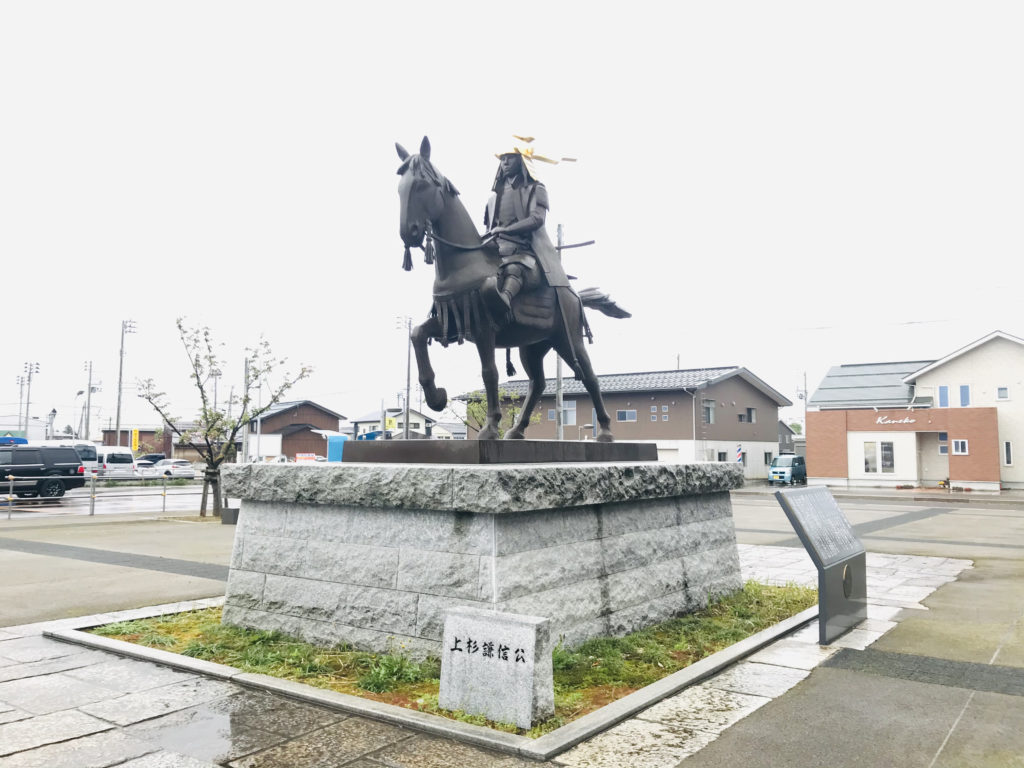
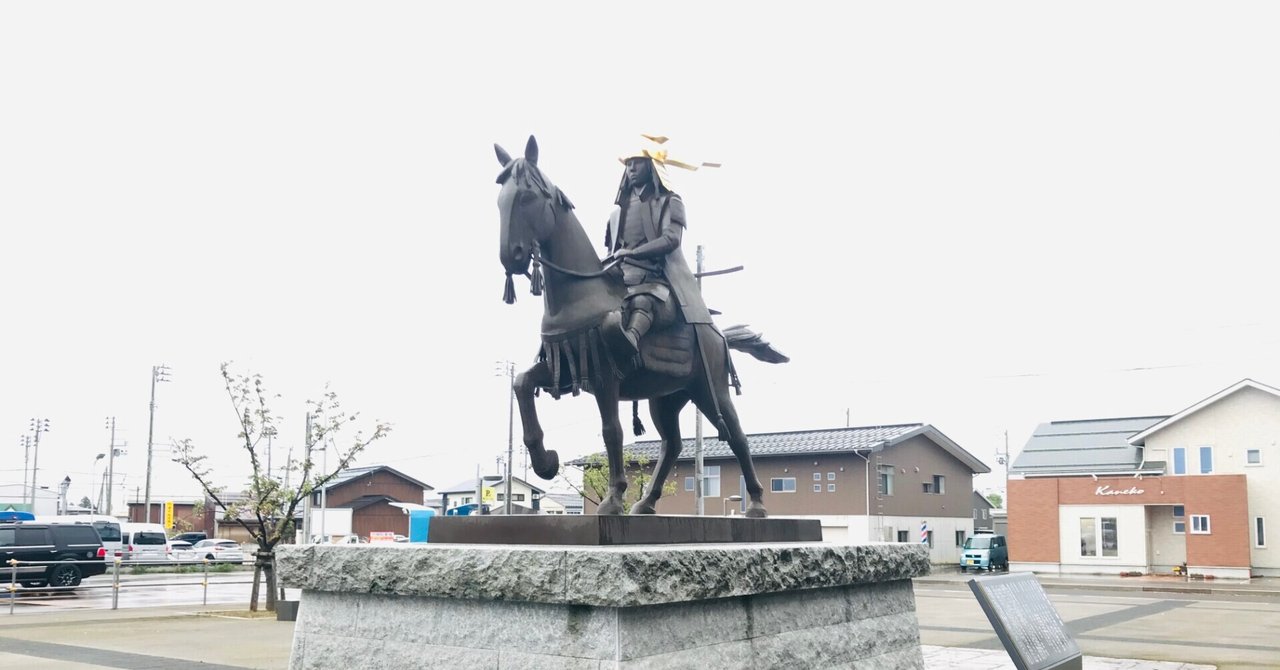
Niigata faces the Sea of Japan and is famous for heavy snowfall in winter. The mountains still have snow in May, and the sea provides fresh seafood. It is also historically linked to the warlord Uesugi Kenshin.
Nagano
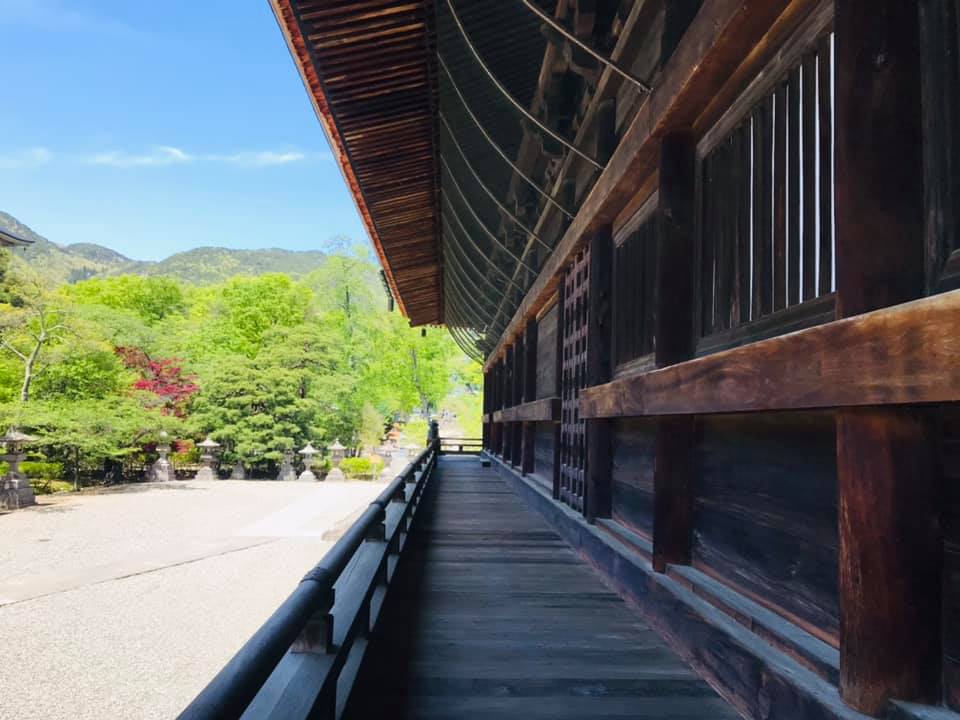
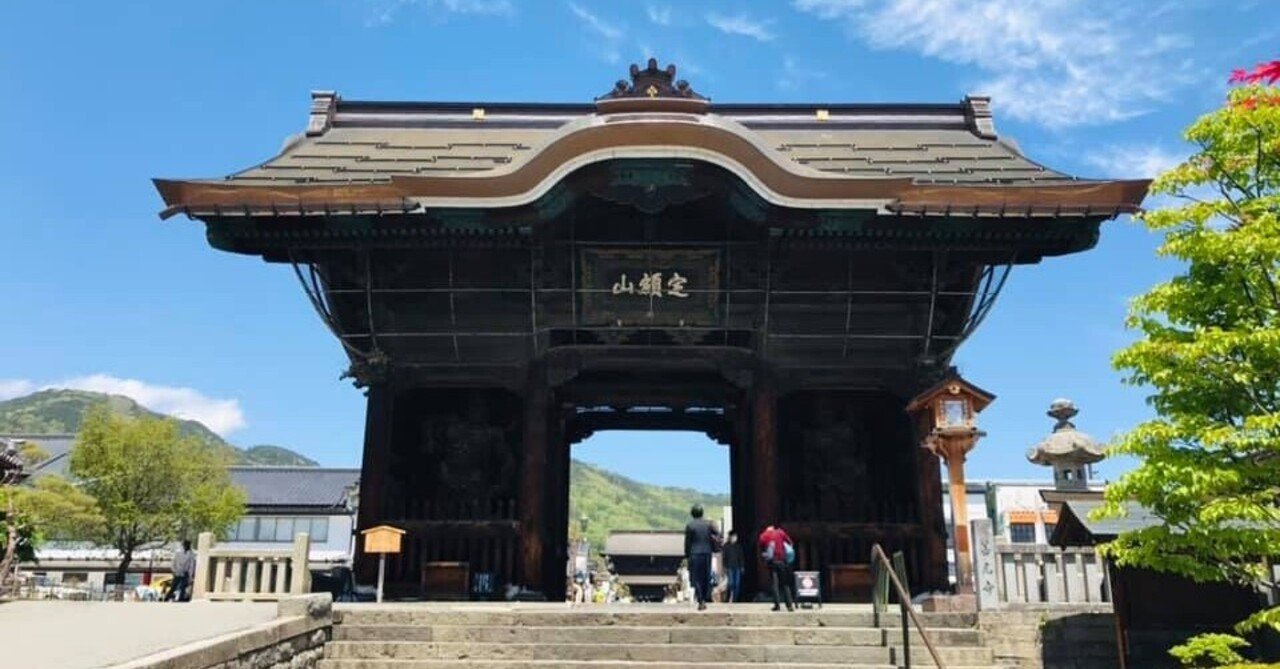
Nagano is surrounded by mountains and famous for Zenkoji Temple, which is easy to reach from the station. Along the way, visitors can enjoy authentic Shinshu soba, a specialty of the area.
Yamanashi
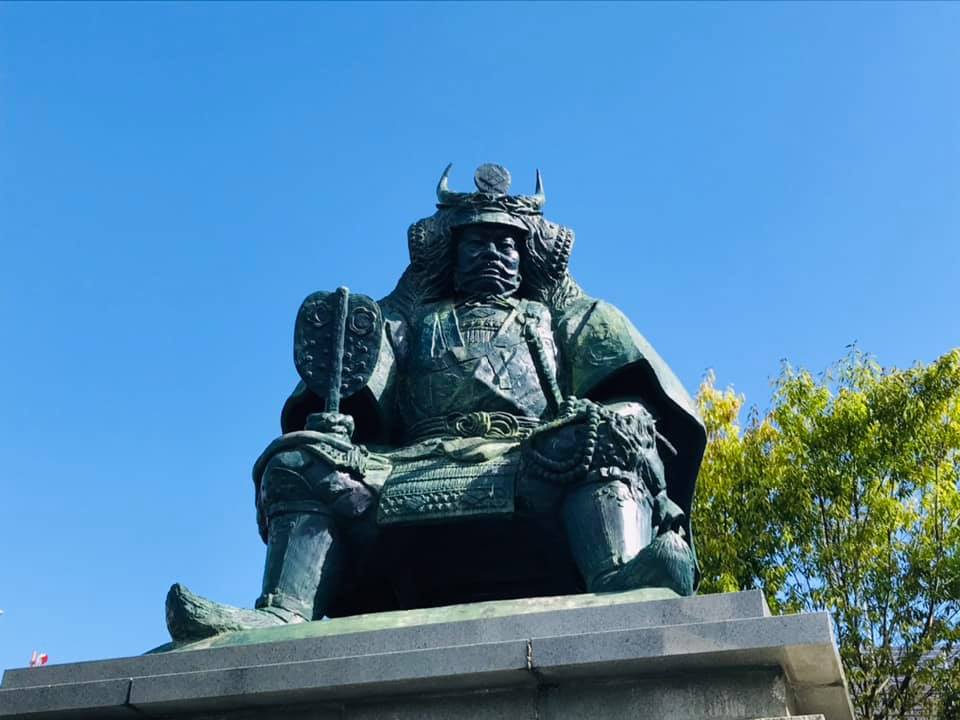
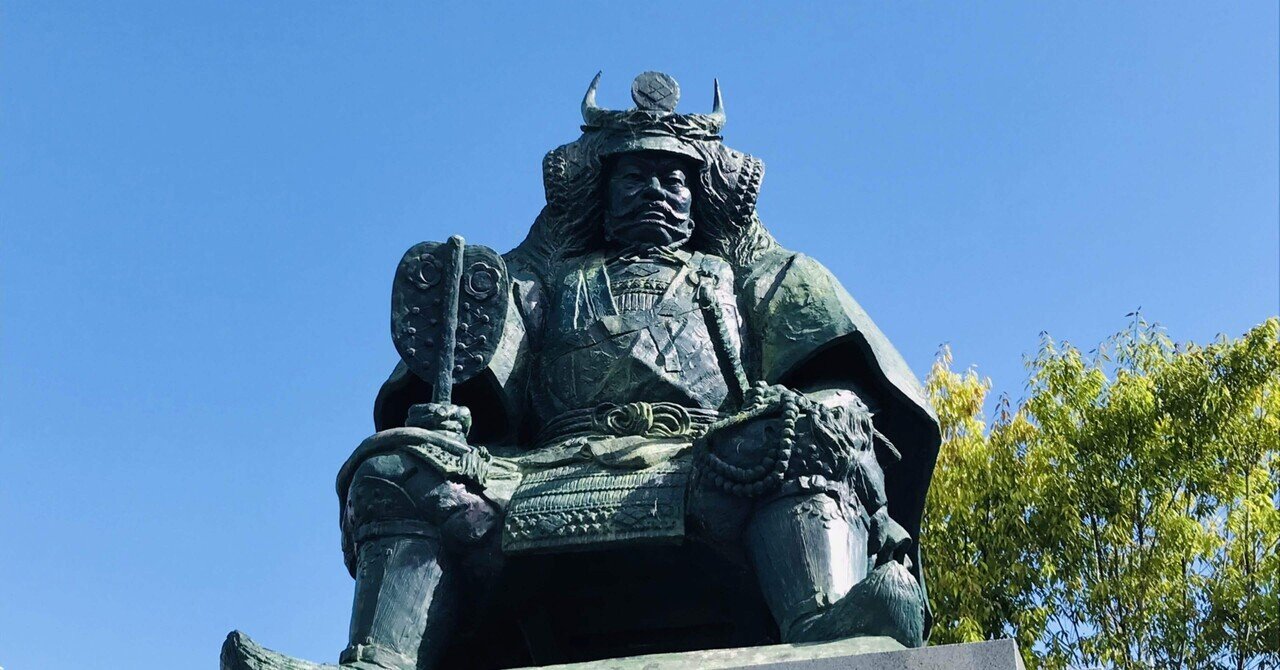
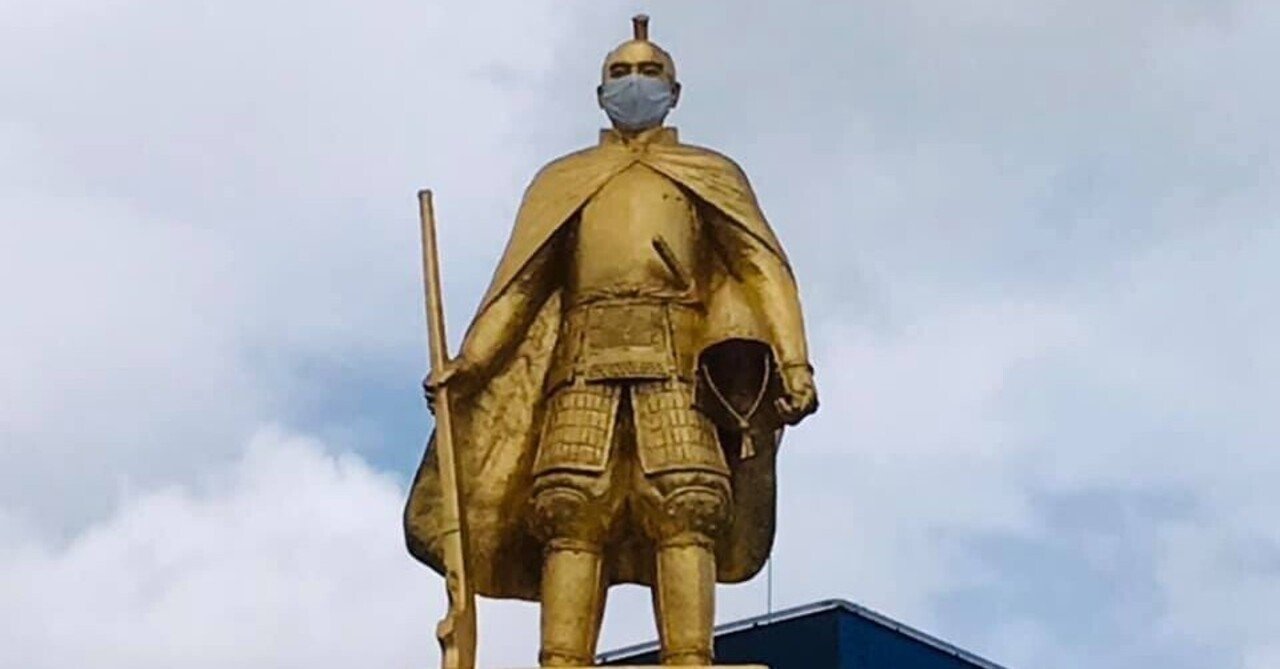
Yamanashi is the home of Takeda Shingen, a famous samurai lord. In Kōfu, the prefectural capital, there are many monuments to him, especially during the 500th anniversary of his birth. The area is also known for its wine and fruit.
Toyama
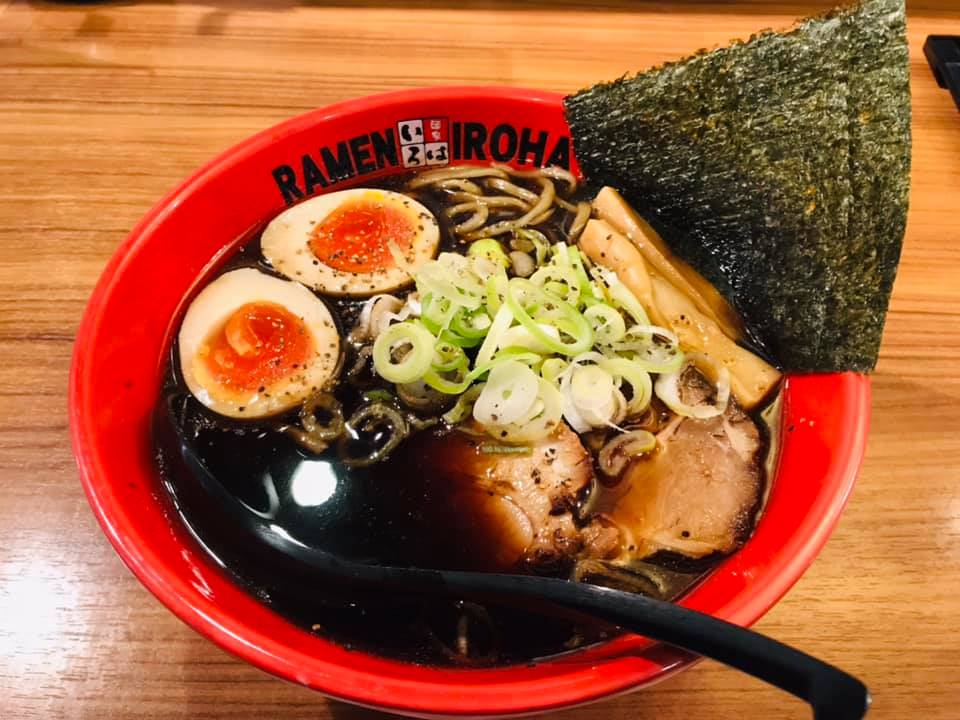
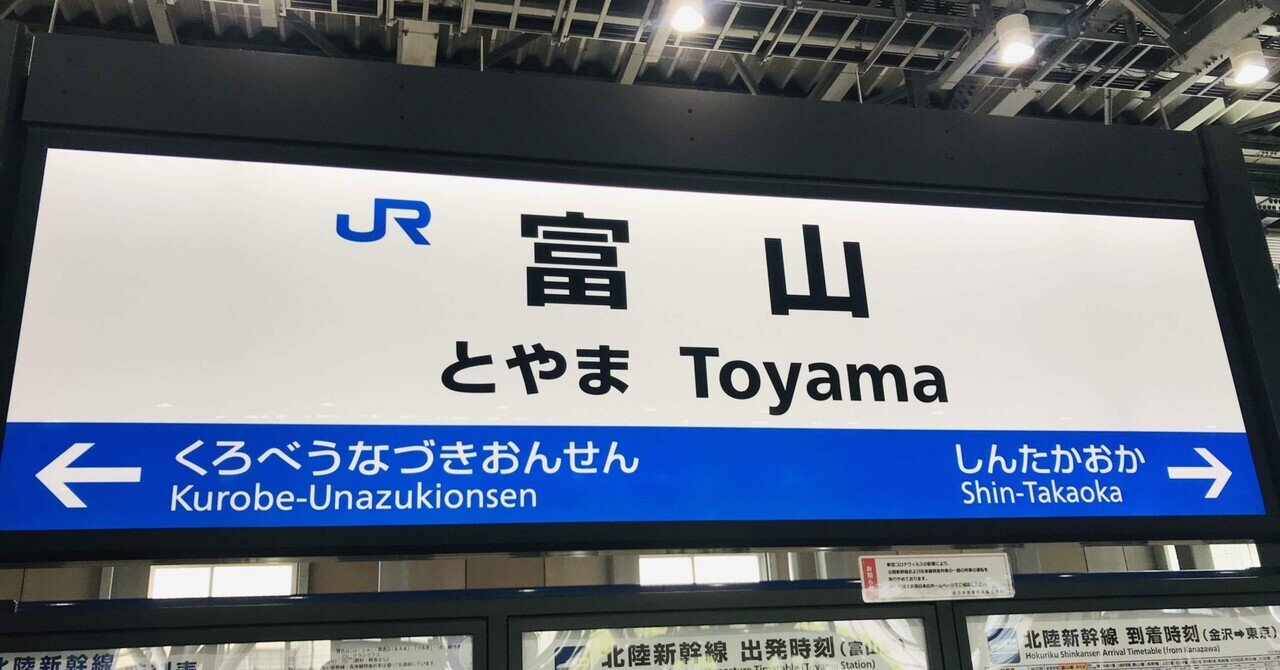
Toyama is well known for Toyama Black Ramen. The soup is dark, salty, and rich in flavor. The dish is so popular that it is sold as instant noodles and as a packaged souvenir.
Ishikawa
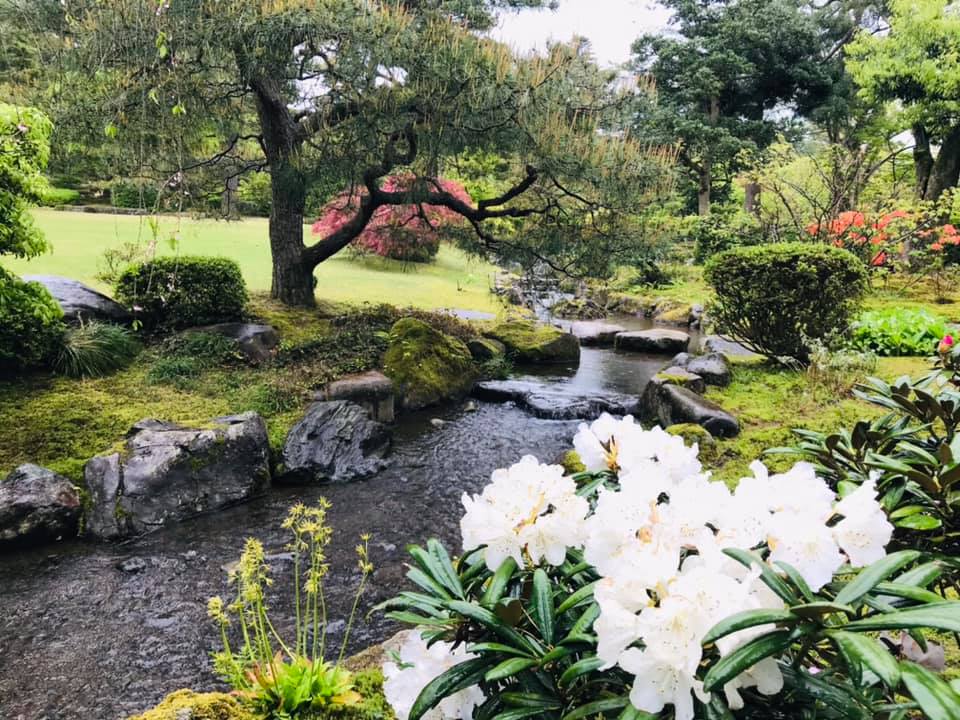
Ishikawa’s capital, Kanazawa, is home to Kenrokuen Garden, considered one of the three most beautiful gardens in Japan. It is a classic example of Japanese landscape design.
Shizuoka
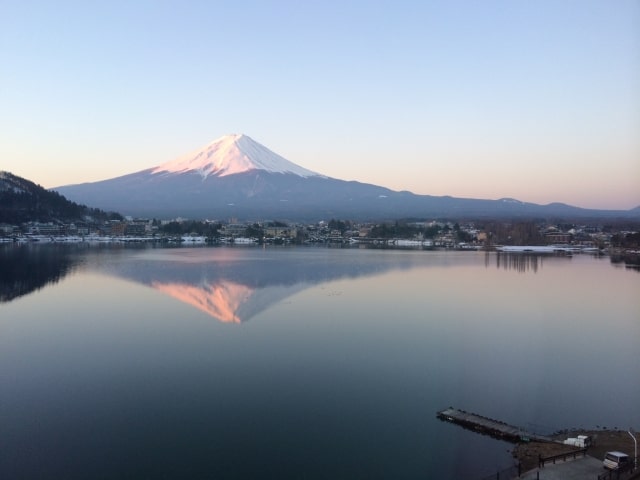
Shizuoka is strongly associated with Mt. Fuji and also with “Sawayaka” hamburger steak, a beloved local chain. When I lived in Hamamatsu, I often went there to eat.
Aichi
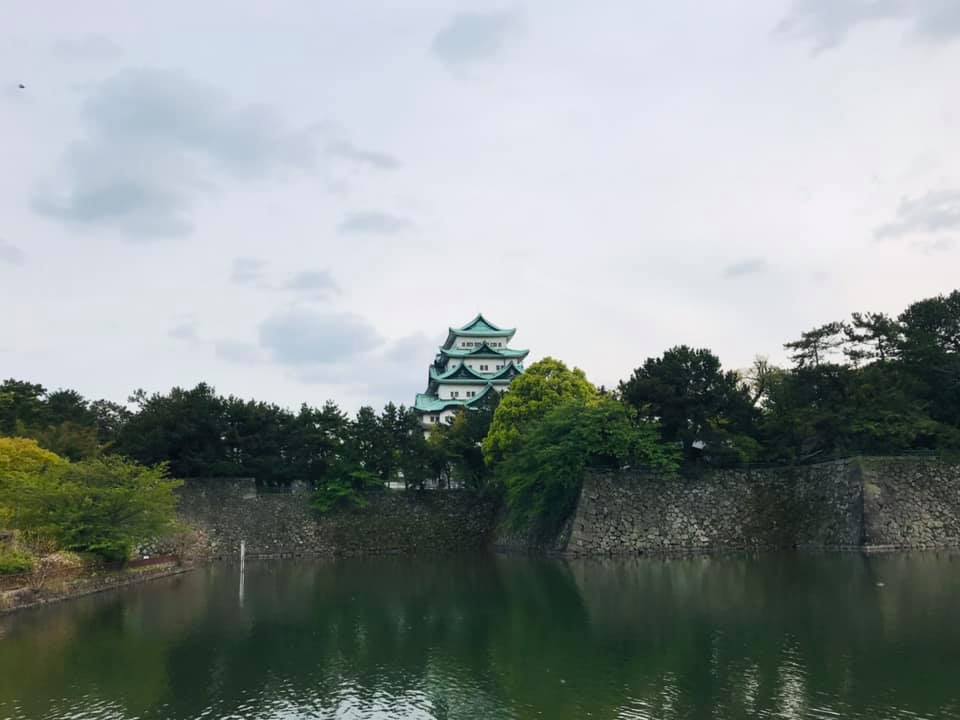
Aichi is centered around Nagoya, a major city that feels very modern. Historical sites like Nagoya Castle and dishes such as miso-katsu make it a rewarding stop.
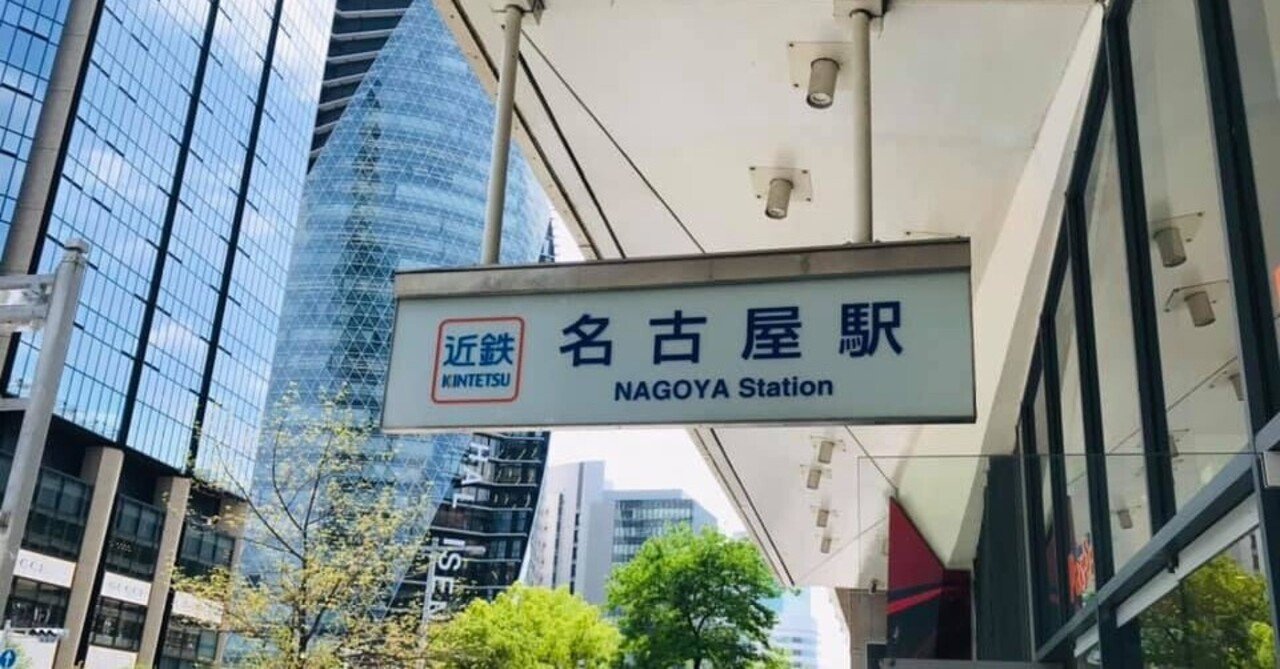
Gifu
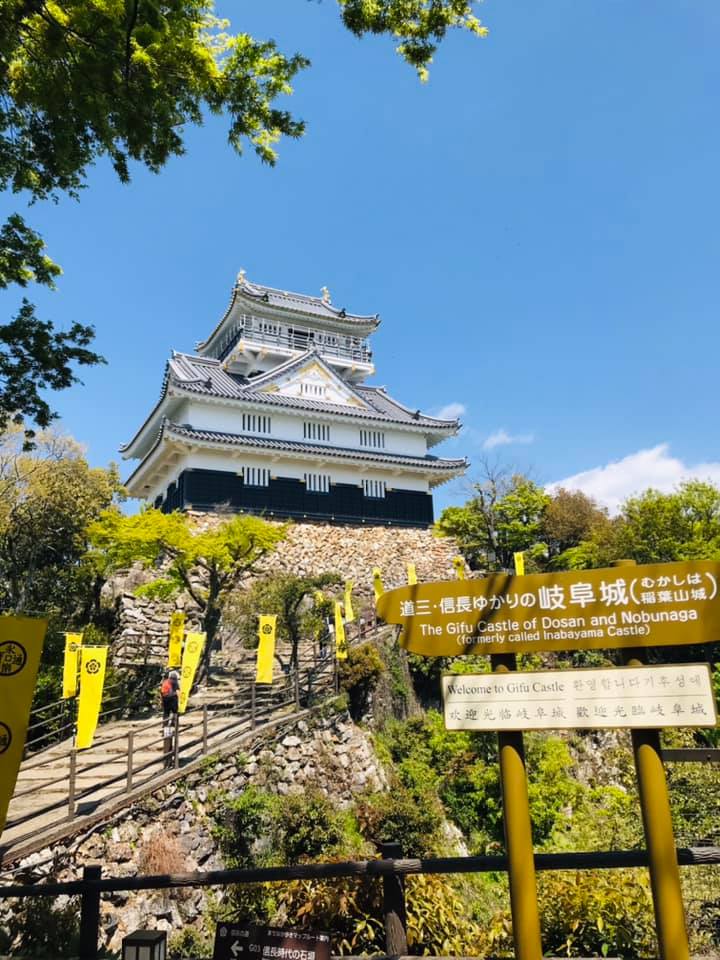
Gifu City is home to Gifu Castle, connected to Oda Nobunaga. Reaching the castle requires either a hike or a ropeway ride. From the top, visitors can see a wide view of the city.
Fukui
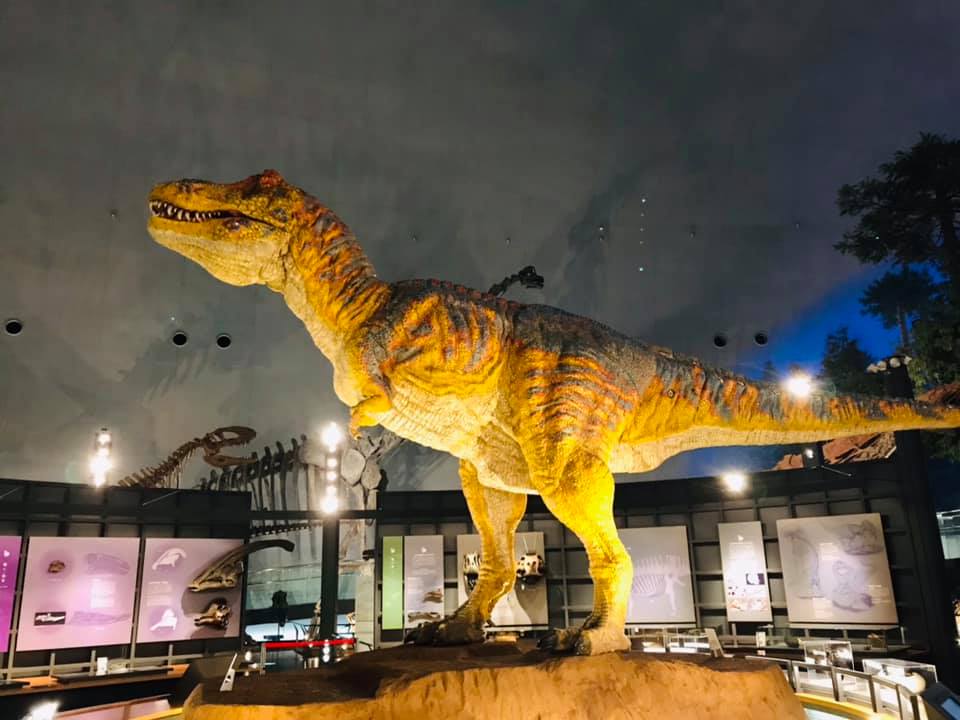
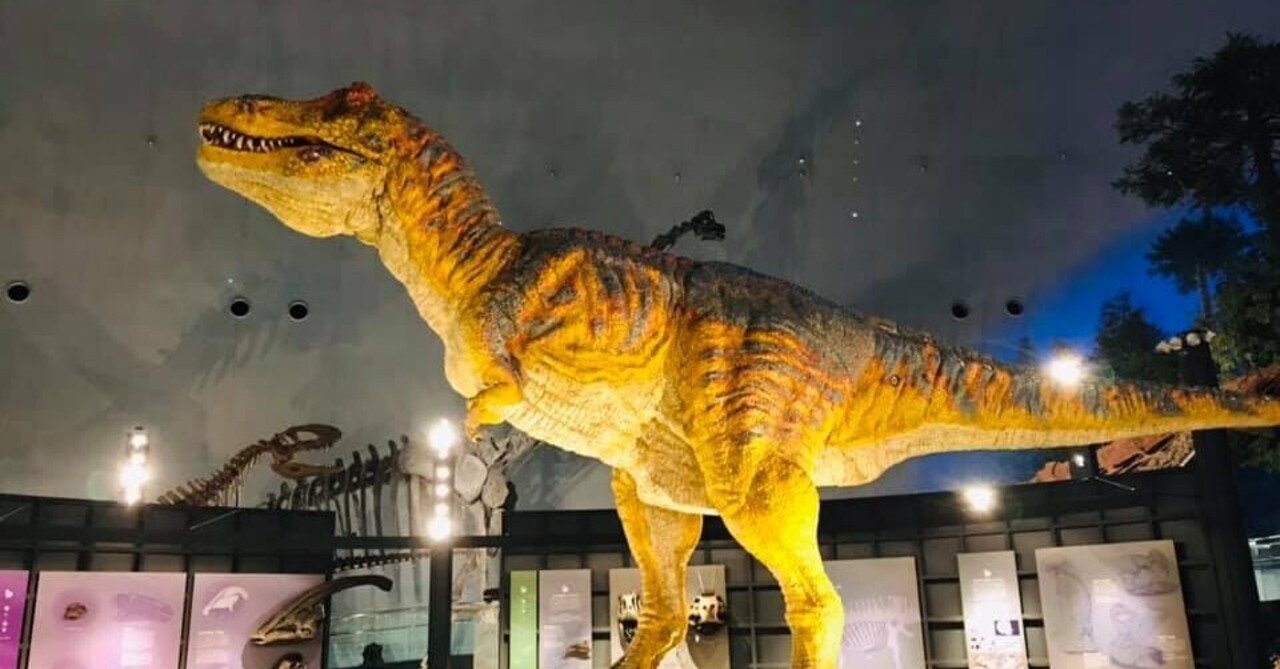
Fukui has become known as Japan’s “dinosaur prefecture.” The Fukui Prefectural Dinosaur Museum is one of the best in the world, and dinosaur statues can even be seen near the station.
Kansai (Kinki) Region
The Kansai region is often called the cultural heart of Japan. It includes ancient capitals, historic temples, lively modern cities, and a strong local identity. People here are known for speaking Kansai dialect and for being friendly and expressive. Osaka, Kyoto, and Nara are especially famous, but every prefecture has something unique to offer.
Shiga
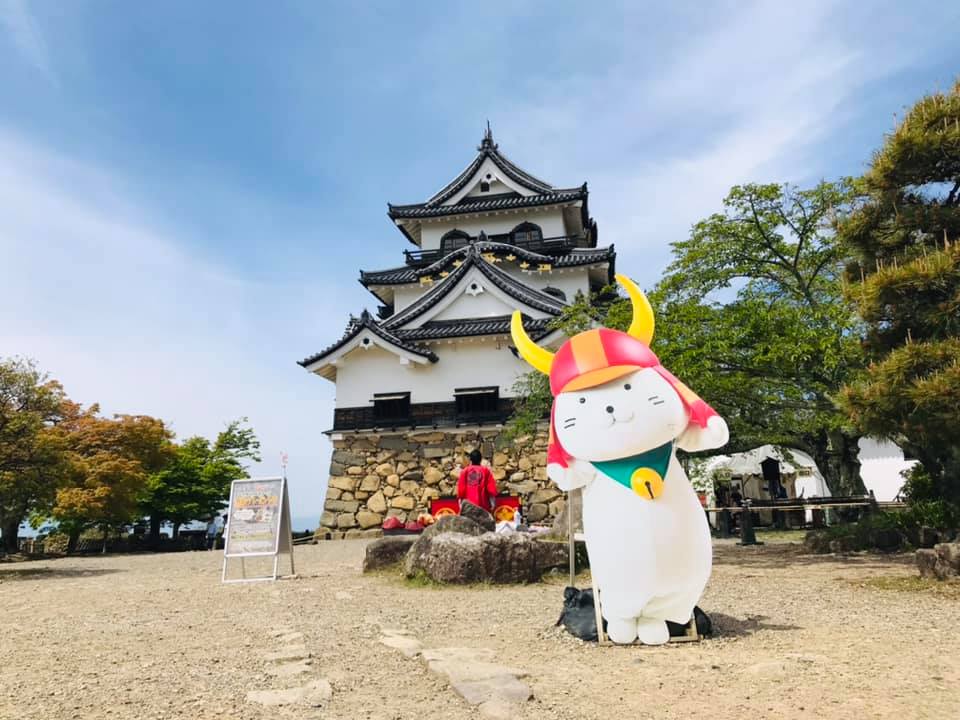
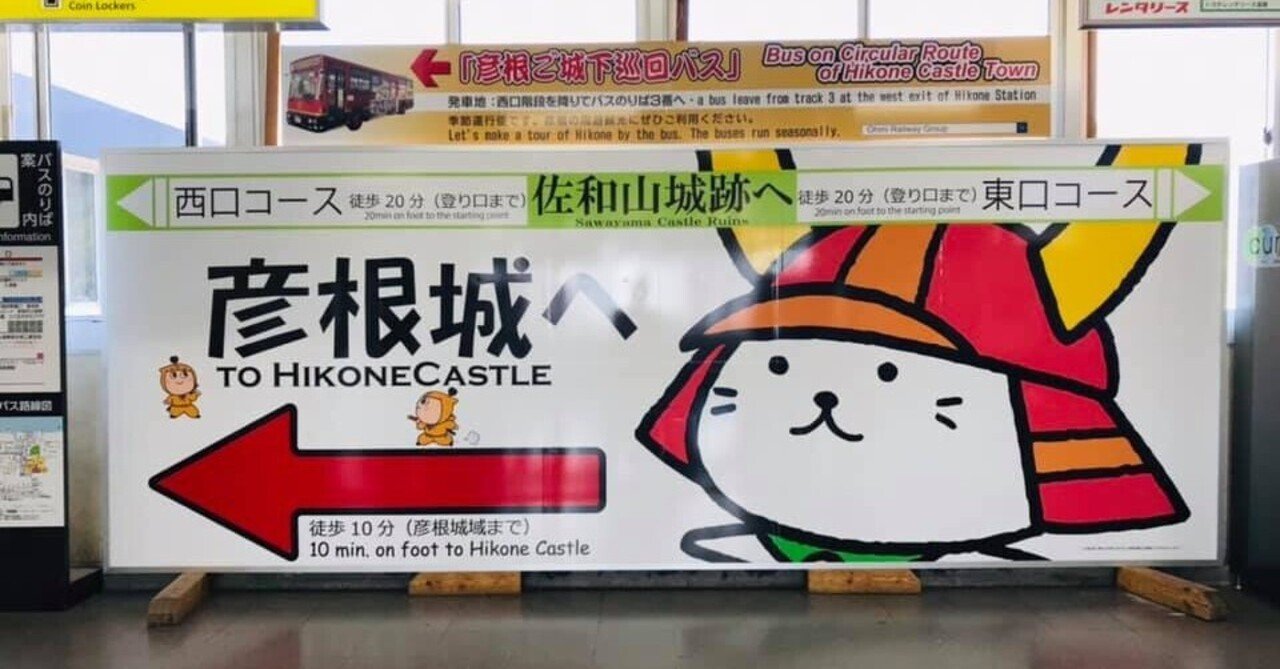
Shiga is home to Lake Biwa, the largest lake in Japan, which is so vast it looks like the sea. Around the lake are cycling routes, water sports, and beautiful sunset views. I also visited Hikone Castle, famous for the mascot Hikonyan, which makes the castle especially popular with families. Shiga combines history with outdoor activities.
Mie
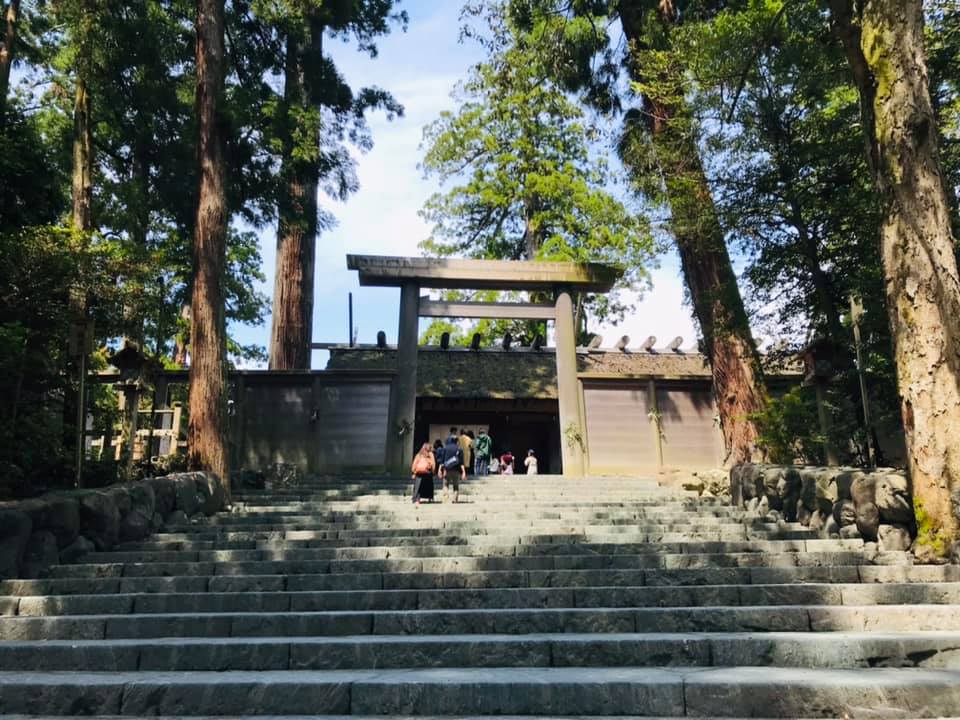
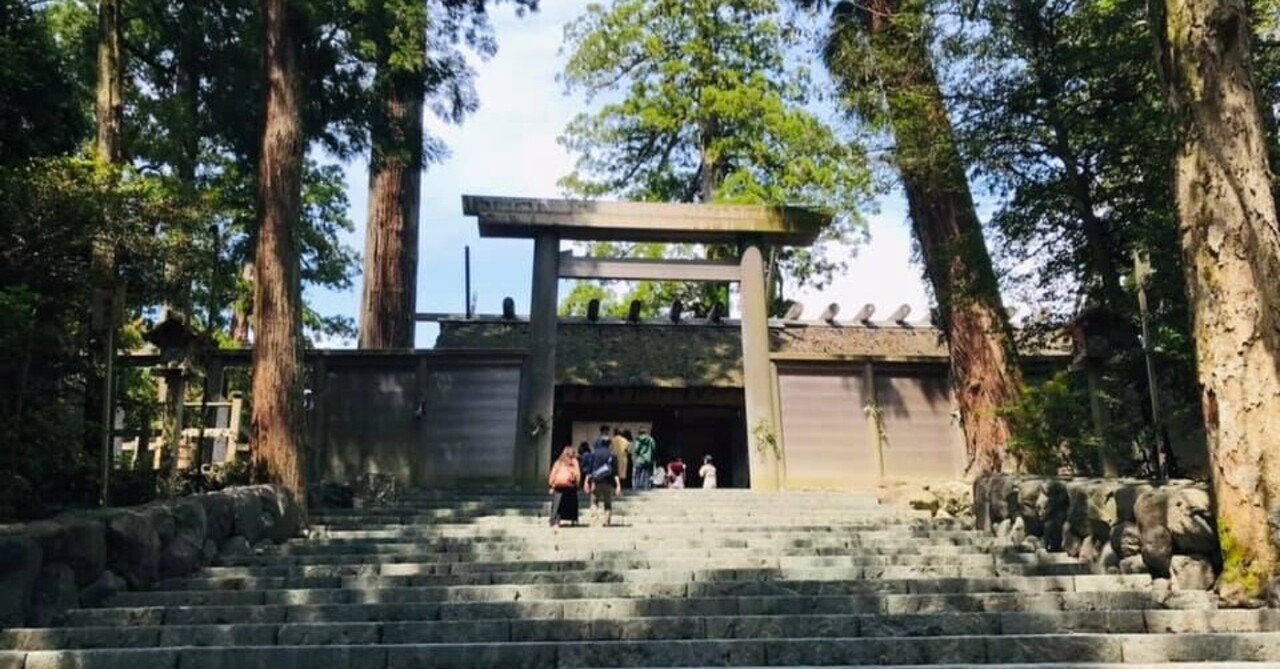
Mie is most famous for Ise Grand Shrine, considered the spiritual heart of Shinto in Japan. Pilgrims from across the country come to visit. The nearby Okage Yokocho street offers traditional food and souvenirs, making the area lively and enjoyable. While the capital Tsu is quiet, Ise City is the real highlight of the prefecture.
Nara
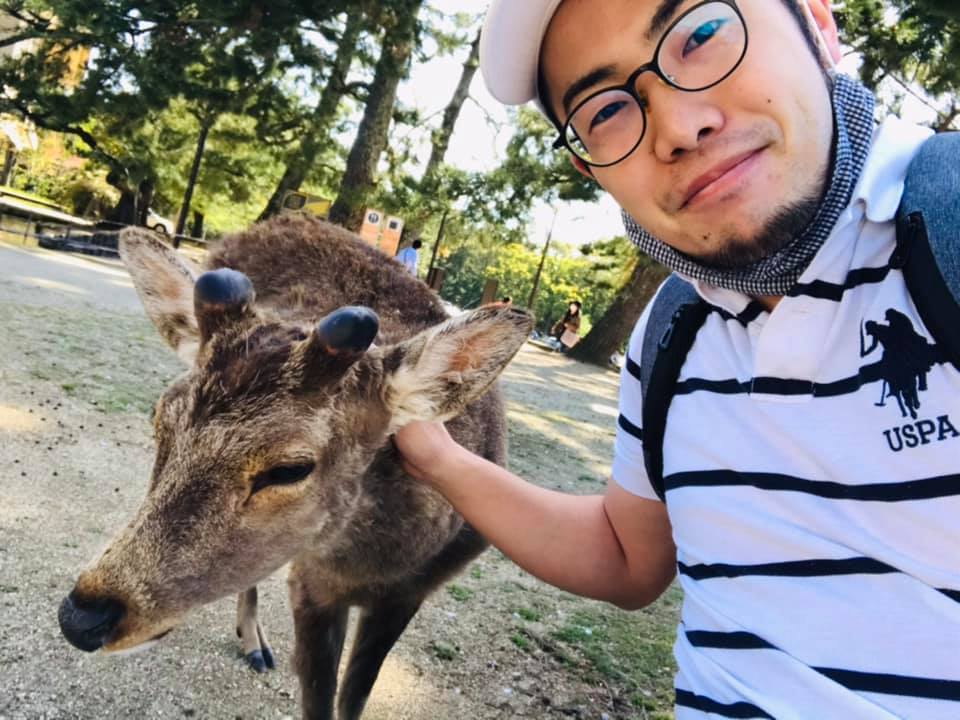
Nara is best known for Nara Park, where deer roam freely and interact with visitors. The Great Buddha at Tōdaiji Temple is a landmark of Japanese history and culture. Walking through the park, surrounded by shrines, temples, and deer, creates a unique atmosphere you cannot find elsewhere.
Wakayama
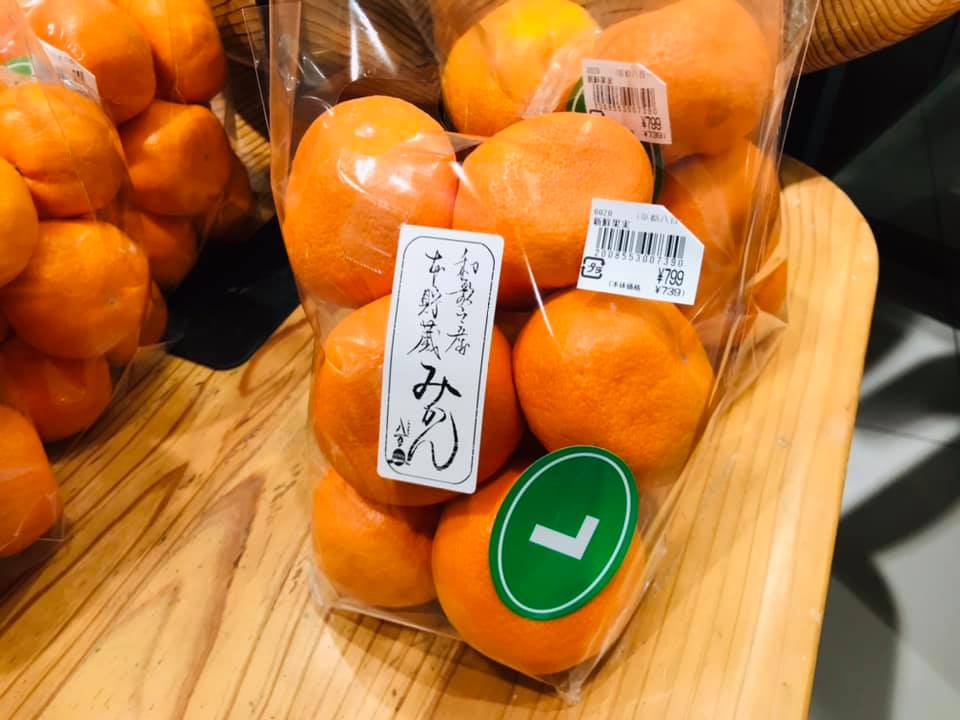
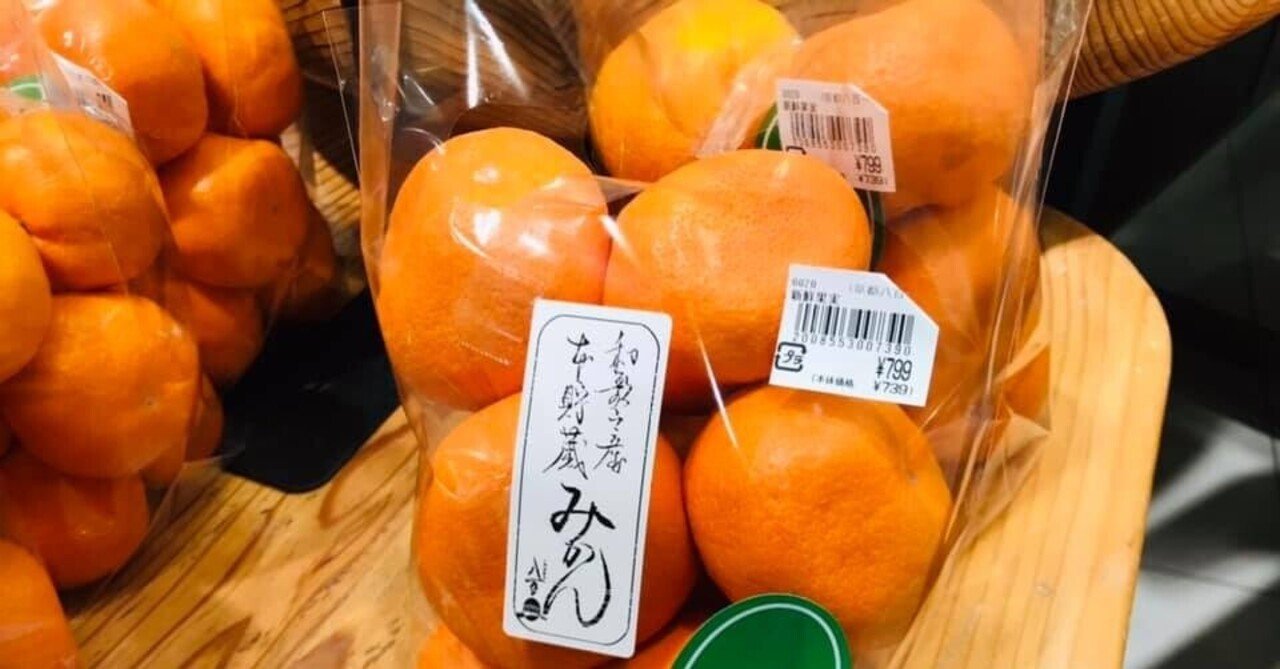
Wakayama is famous for its oranges, but it also offers stunning coastal views and spiritual sites such as Koyasan, a major Buddhist temple complex. The capital, Wakayama City, feels calm and welcoming, with friendly locals and a slower pace compared to Osaka. It is a good place to enjoy both nature and traditional culture.
Kyoto
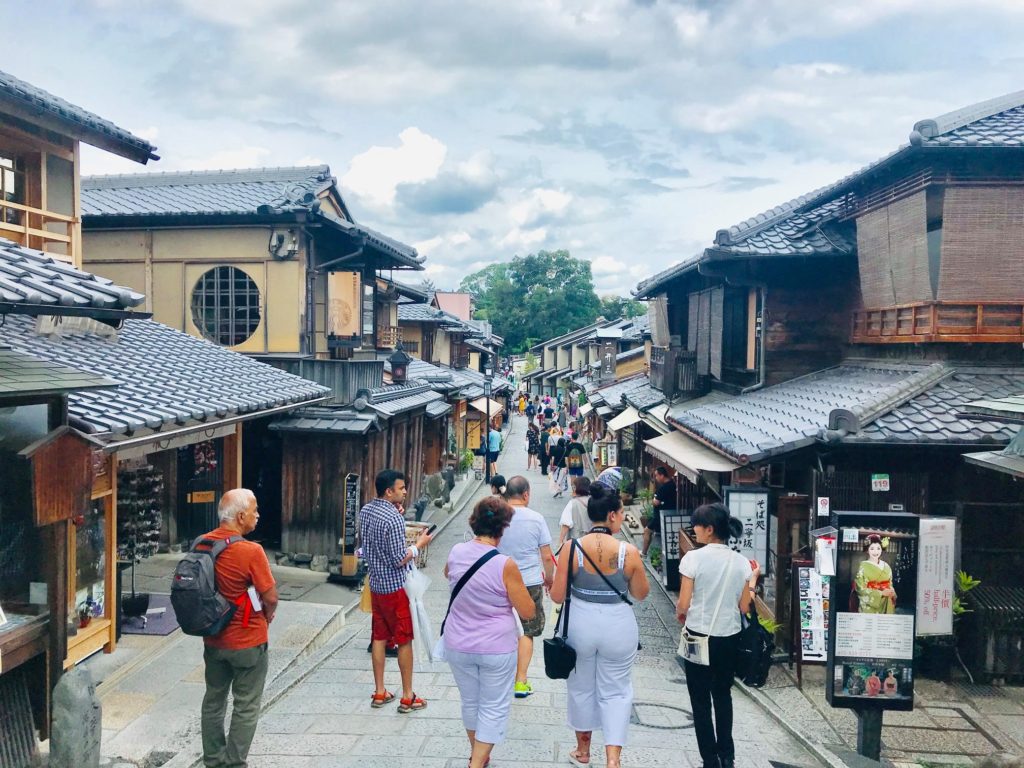
Kyoto is one of the most visited cities in Japan, famous for temples, shrines, geisha districts, and cherry blossoms. Walking through Gion or visiting Kiyomizu-dera Temple feels like stepping into the past. Although crowded, Kyoto still holds an atmosphere of elegance and tradition. Each season brings new beauty—cherry blossoms in spring, greenery in summer, autumn leaves, and snowy temples in winter.

Osaka
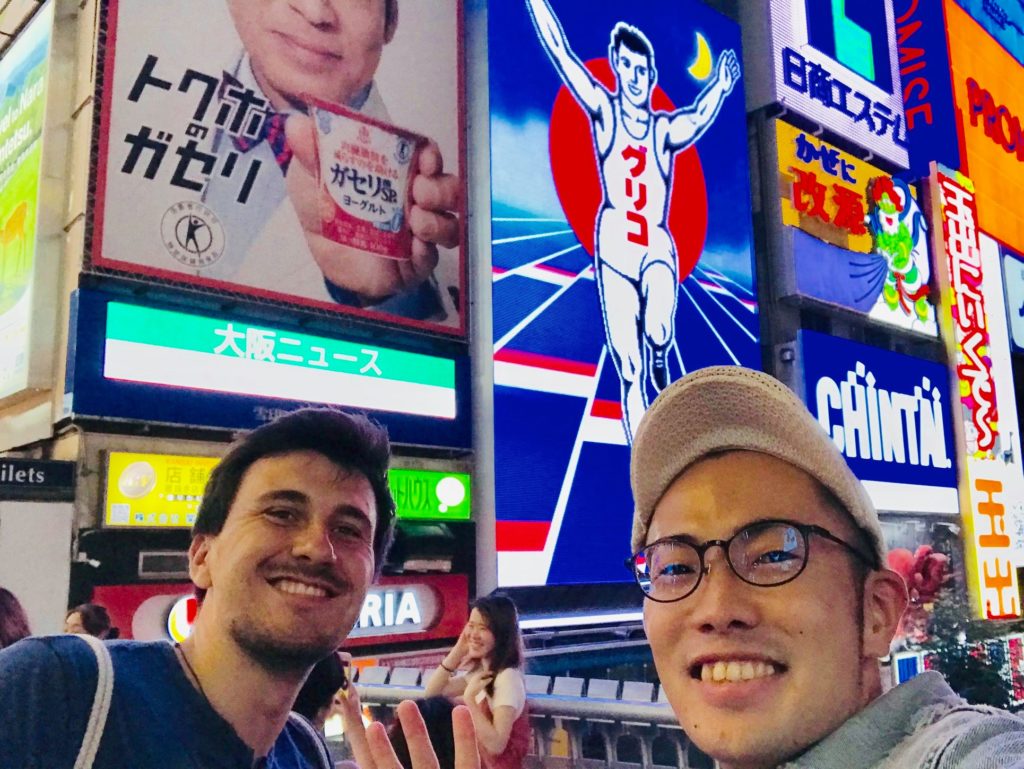
Osaka is called the “kitchen of Japan,” known for takoyaki, okonomiyaki, and countless street foods. The city has a lively, humorous spirit that feels very different from Tokyo. In Dōtonbori, neon lights and food stalls create a unique nightlife vibe. Osaka Castle and Universal Studios Japan are also major attractions.
Hyōgo
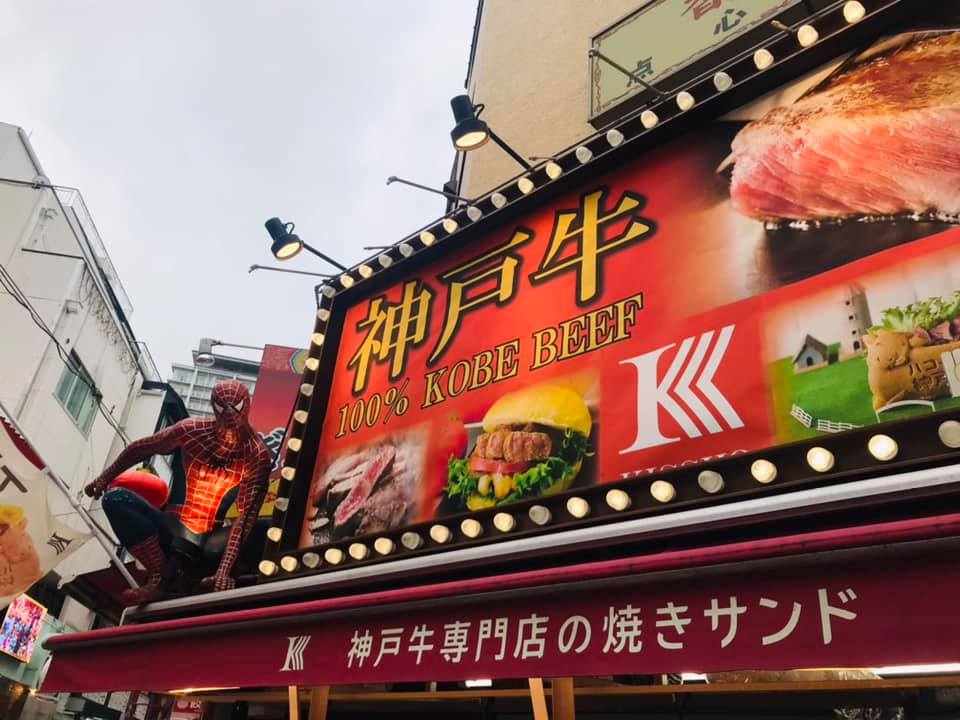
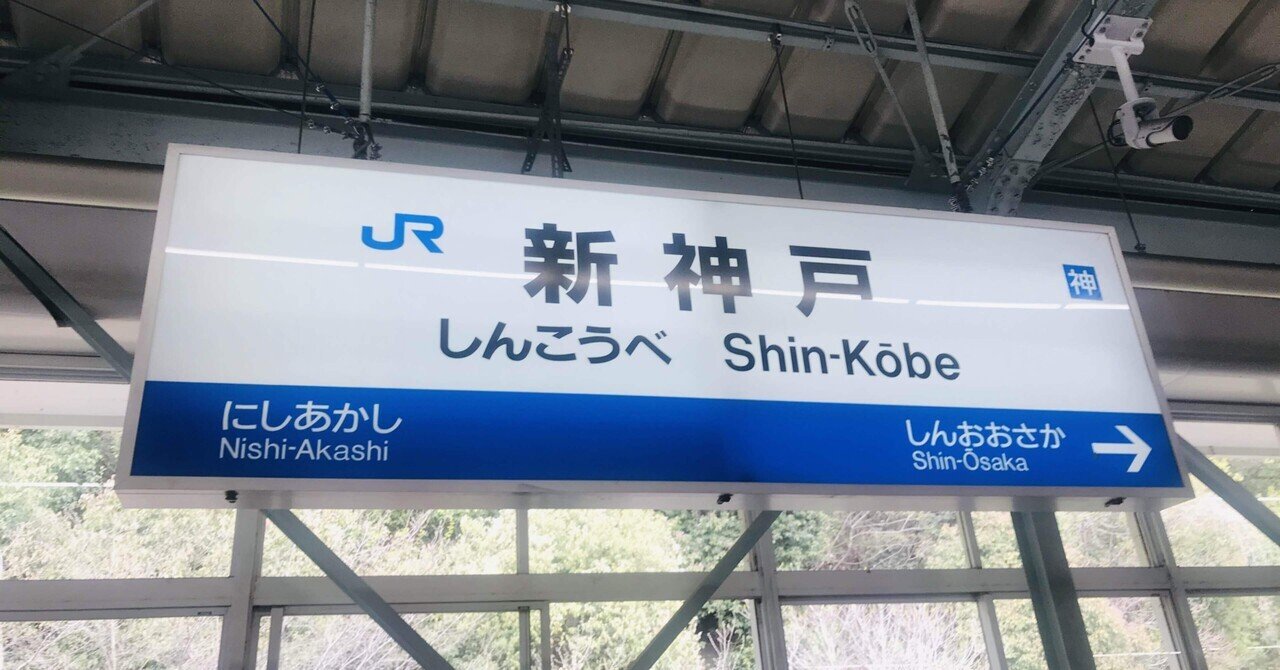
Hyōgo is best known for Kobe, an international port city famous for Kobe beef and stylish shopping streets. The city also offers scenic harbor views and a mix of Western-style and Japanese architecture. Outside Kobe, you can find Himeji Castle, a UNESCO World Heritage site considered Japan’s most beautiful castle. This makes Hyōgo a prefecture rich in both modern appeal and historical depth.
Shikoku Region
Shikoku is the smallest of Japan’s four main islands, located south of Honshū. It is often seen as a quieter, more traditional area, but it is full of charm. The region is famous for the 88 Temple Pilgrimage, scenic coastlines, and hearty local food. Each prefecture has its own highlights, from sacred mountains to unique cultural festivals.
Kagawa
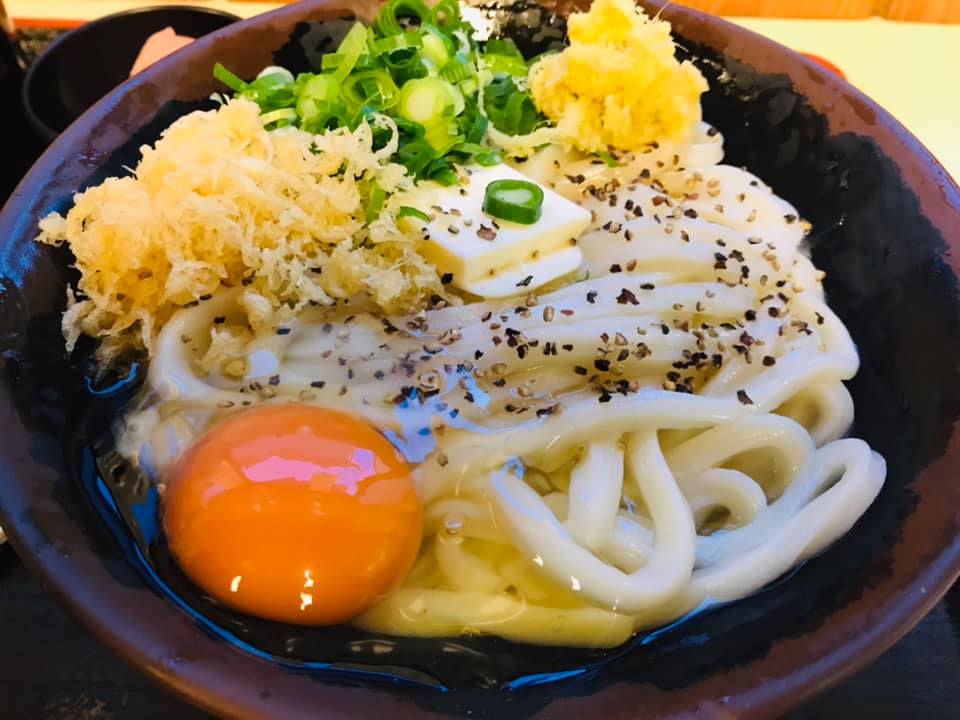
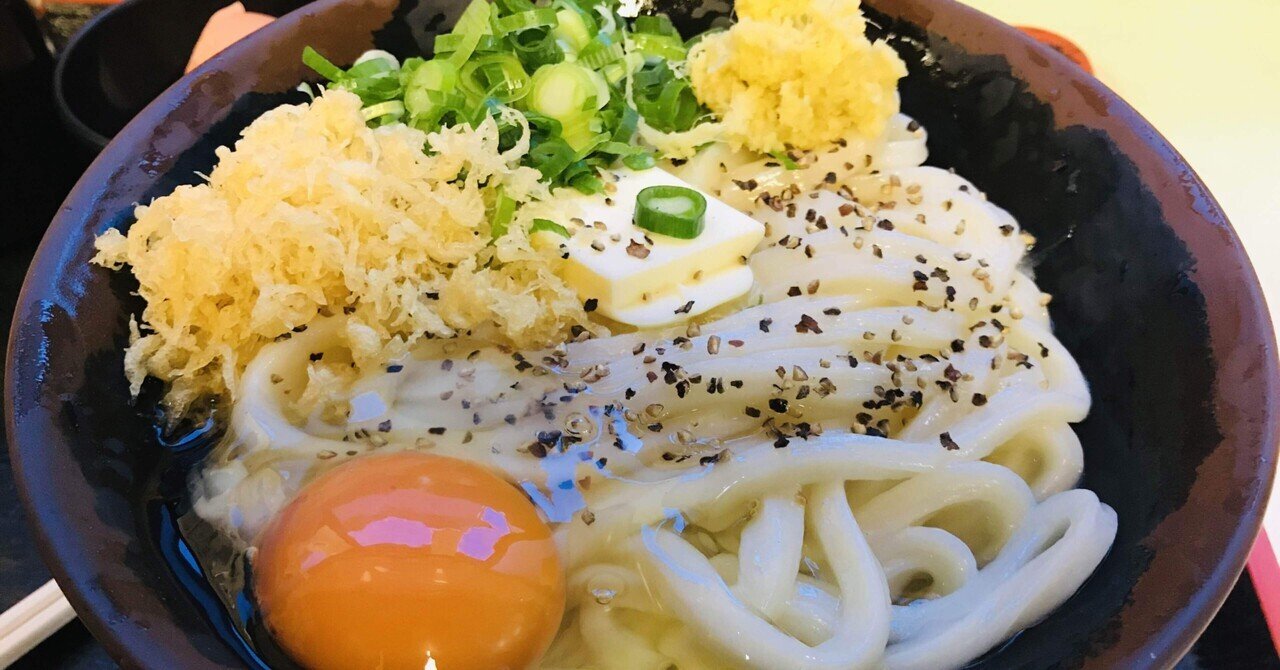
Kagawa is often called “Udon Prefecture” because of its Sanuki udon. In Takamatsu, I tried butter udon at a famous shop, and it was excellent. The city has countless udon restaurants, each with its own style, and many offer takeaway so you can enjoy noodles anywhere. Besides food, Kagawa is also known for Ritsurin Garden, one of Japan’s most beautiful landscaped gardens.
Tokushima
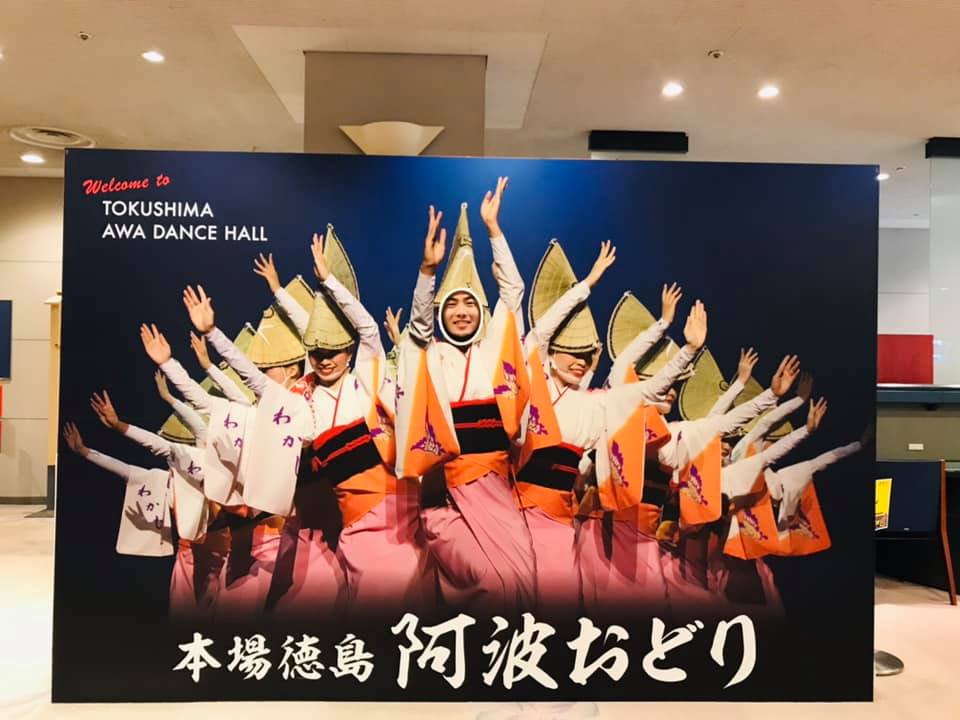
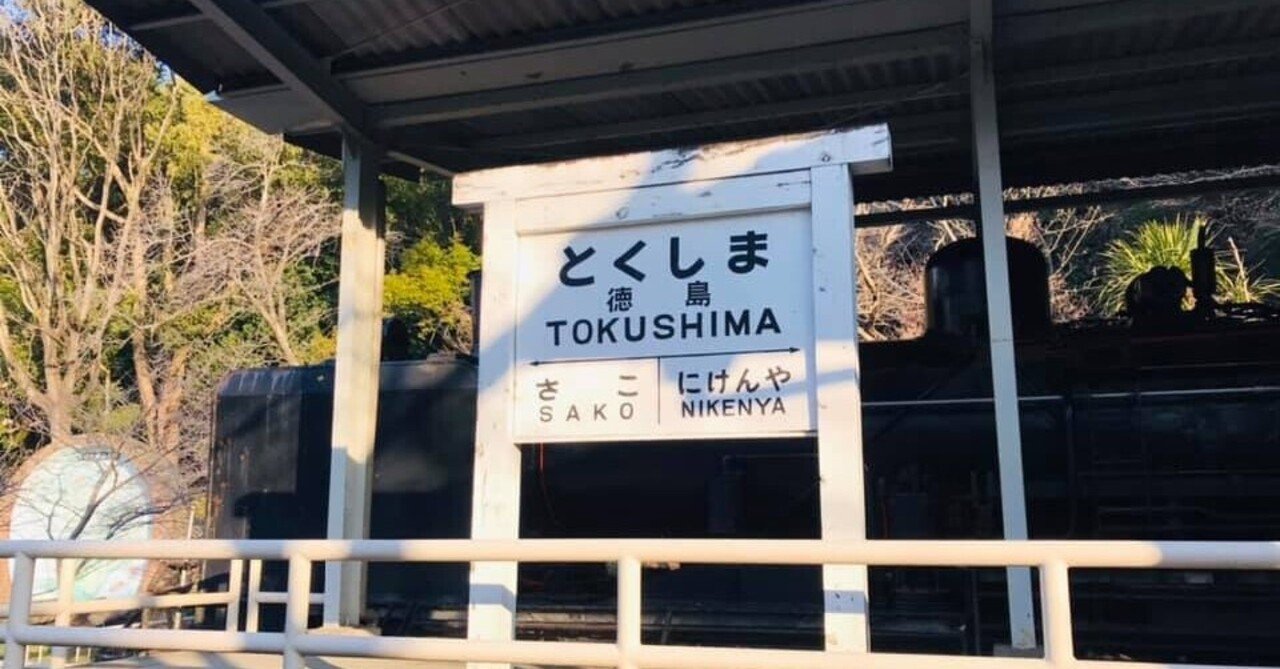
Tokushima is best known for the Awa Odori dance festival. At the Awa Odori Kaikan, I even received a lesson from professional dancers, which was both fun and a little embarrassing. The real festival in August brings the entire city to life, with music, lanterns, and energetic dancing in the streets. Tokushima is also rich in natural scenery, including the Naruto whirlpools.
Ehime
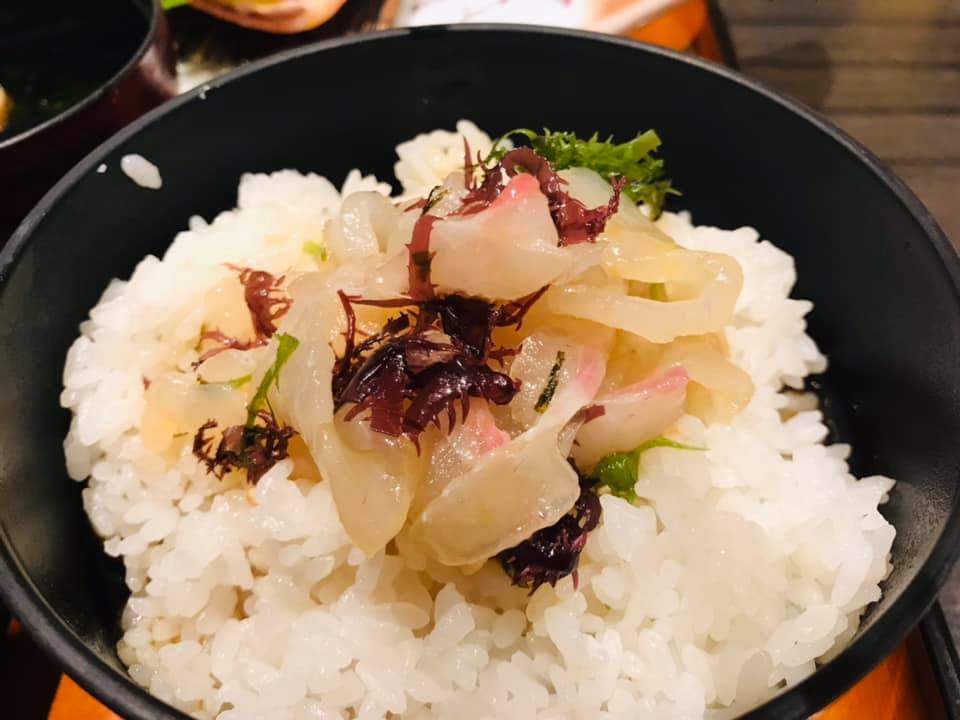
Ehime is famous for its citrus fruits, especially mikan, but I was most impressed by its tai-meshi (sea bream rice), which is a must-try dish in Matsuyama. The prefecture is also home to Dōgo Onsen, one of Japan’s oldest hot spring resorts, which inspired scenes in Studio Ghibli’s Spirited Away. From here, ferries connect Shikoku to Kyūshū, making it a gateway between regions.

Kōchi
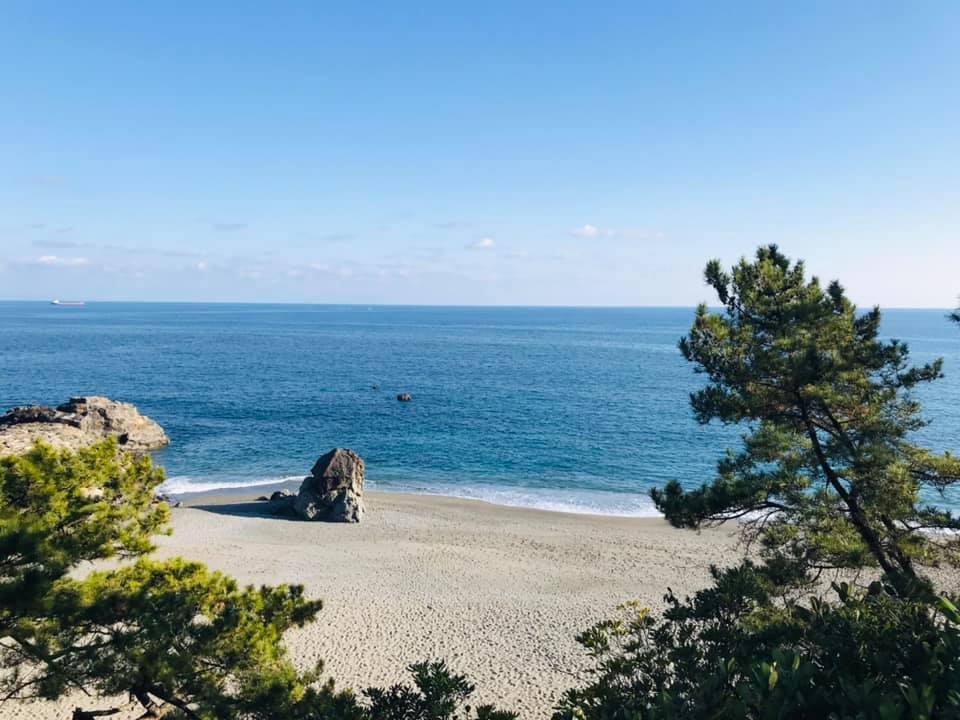
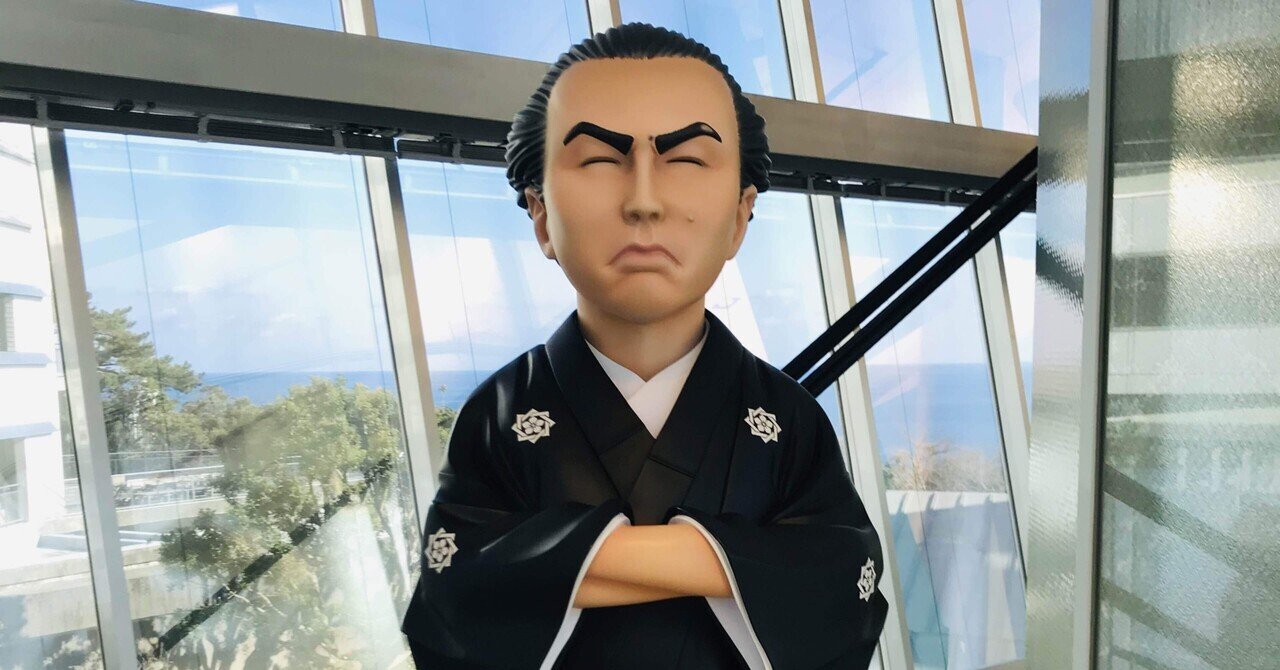
Kōchi is strongly associated with Sakamoto Ryōma, a hero of Japan’s modernization. I visited Katsurahama Beach, where his statue looks out to the Pacific Ocean, and also stopped by the Sakamoto Ryōma Memorial Museum. The local dialect is softer than expected and easy to listen to. Kōchi is also famous for its fresh bonito (skipjack tuna), often served seared as “katsuo no tataki.”
Chūgoku Region
The Chūgoku region is located in western Honshū and stretches from the Sea of Japan to the Seto Inland Sea. It has both historical and natural attractions, from sacred shrines to sandy dunes. Each prefecture has a strong identity, and the region overall feels less crowded than Kansai or Kantō, making it easy to explore at a slower pace.
Tottori
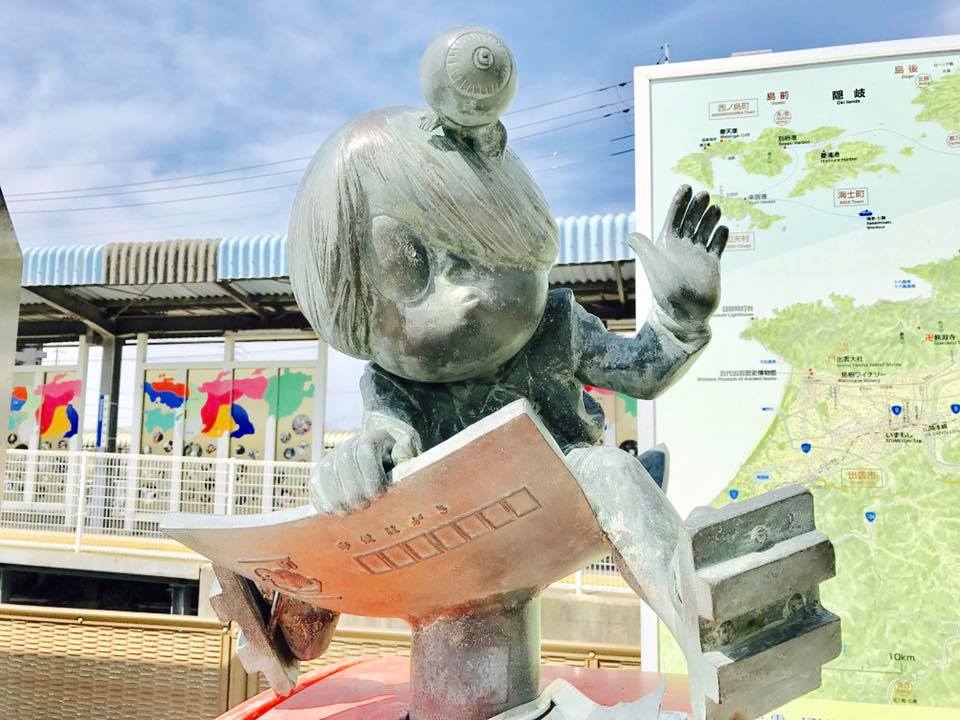
Tottori is Japan’s least populated prefecture but offers unique sights. The Tottori Sand Dunes are vast and look almost like a desert, perfect for camel rides or sandboarding. The prefecture is also linked to famous manga creators: GeGeGe no Kitarō and Detective Conan. Fans can visit themed museums and statues scattered around the towns. Renting a car makes it easy to see the highlights in a single day.
Okayama
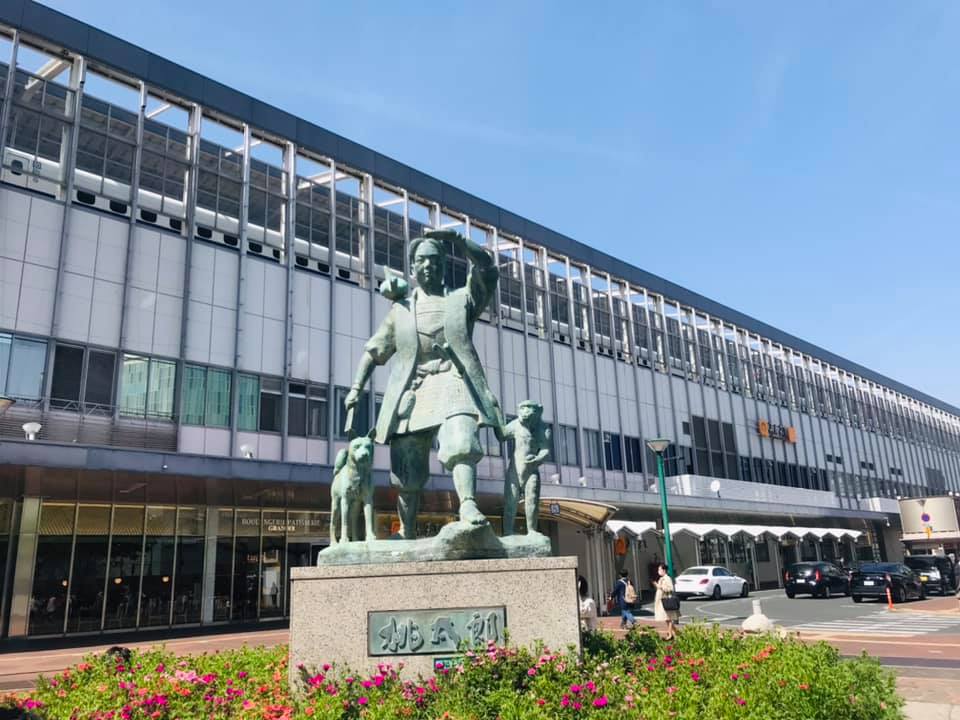
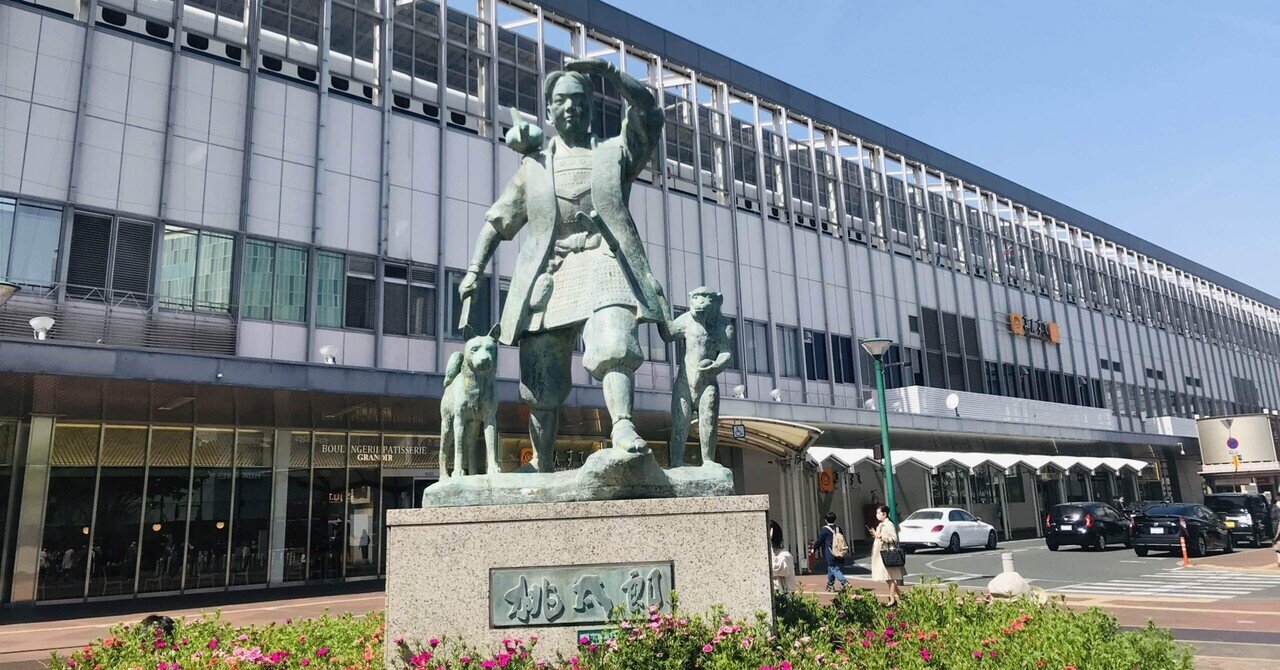
Okayama is known as the home of the Momotarō legend, and statues of the folk hero can be found around Okayama Station. The city’s most famous attraction is Okayama Castle, which looks especially beautiful in spring when the cherry blossoms bloom along the riverside. Korakuen Garden, one of Japan’s top three gardens, is also located here and provides a peaceful retreat.
Shimane
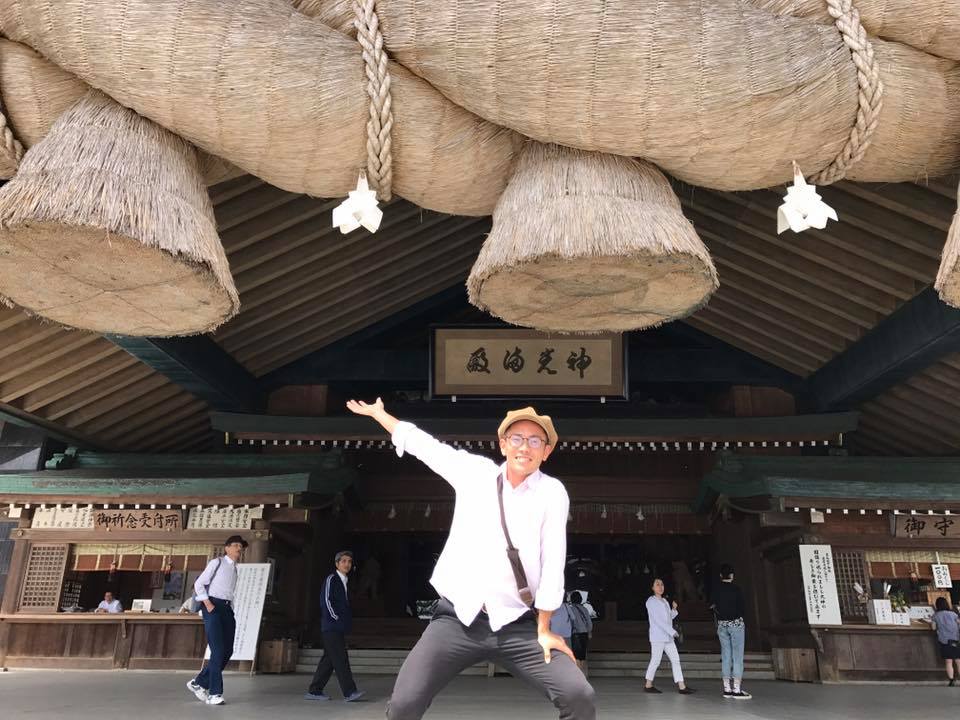
Shimane is home to Izumo Taisha, one of Japan’s oldest and most important Shinto shrines. Many people visit to pray for good relationships. The prefecture also offers beautiful coastal scenery, fresh seafood from the Sea of Japan, and mountains on the inland side. Shimane feels quiet and spiritual, making it a good escape from busy city life.
Hiroshima
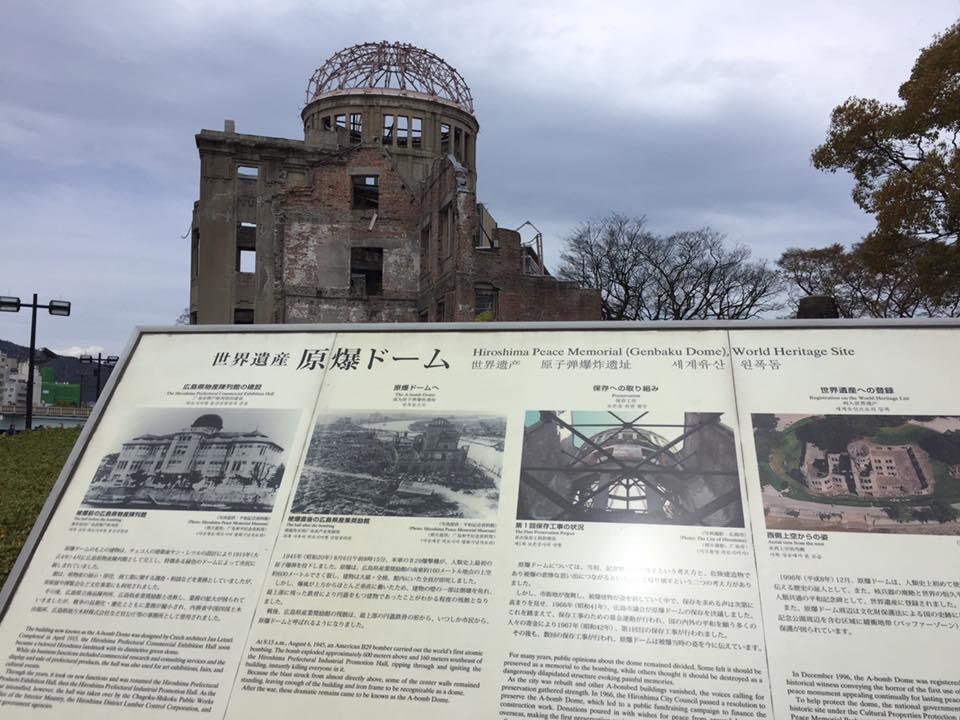
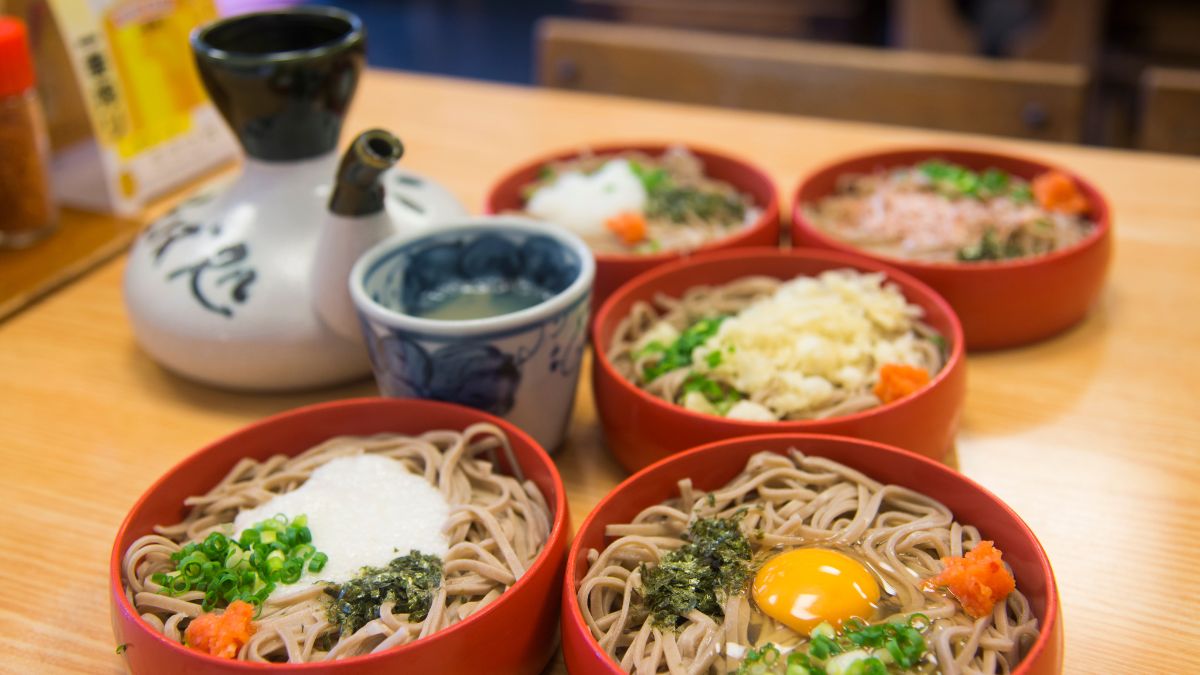
Hiroshima is a city of both history and recovery. The Atomic Bomb Dome is a UNESCO World Heritage site and a reminder of the past, while the Peace Memorial Park encourages reflection. At the same time, Hiroshima is lively and modern, with a famous food culture centered on Hiroshima-style okonomiyaki. In Okonomimura, a whole building is dedicated to different okonomiyaki restaurants. Nearby Miyajima Island, with its floating torii gate, is also a must-visit.
Yamaguchi
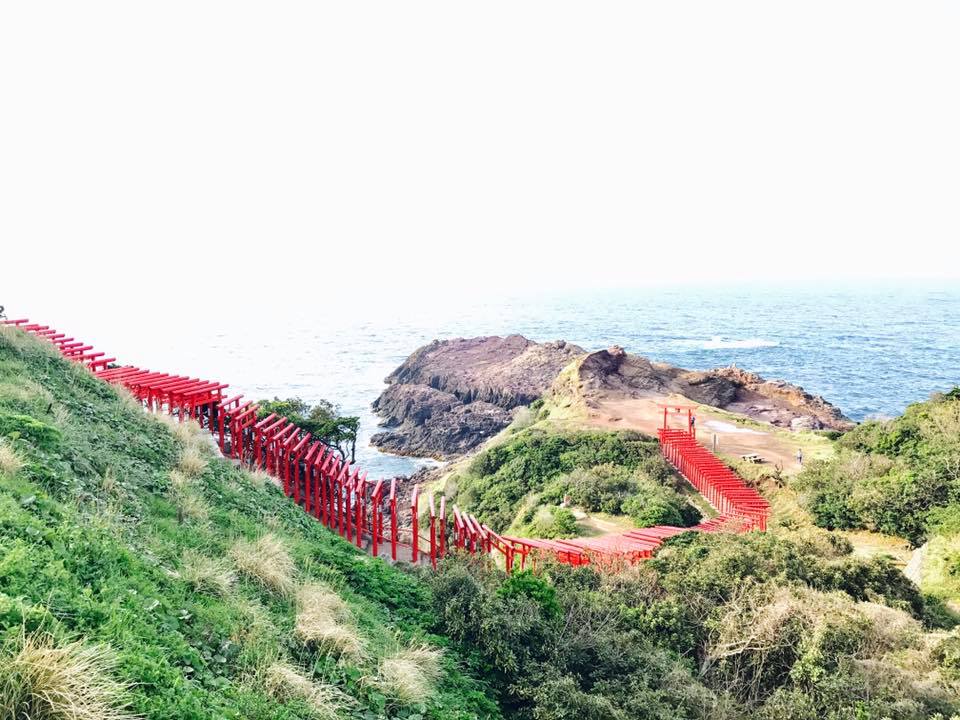
Yamaguchi is the westernmost prefecture of Honshū and feels like a bridge to Kyūshū. One of its most famous spots is Motonosumi Shrine, where red torii gates line the path down to the sea. It is also a popular Instagram photo spot. Yamaguchi is known for kawara soba, noodles served on a heated roof tile, which is both unusual and tasty. The combination of scenic views and unique food makes the prefecture memorable.
Kyūshū & Okinawa Region
The Kyūshū and Okinawa area lies in the far southwest of Japan. Kyūshū is famous for its hot springs, mountains, and vibrant food culture, while Okinawa offers tropical scenery and a unique blend of Japanese and Ryukyuan traditions. The region is warm, friendly, and full of diversity, making it one of the most enjoyable parts of Japan to explore.
Fukuoka
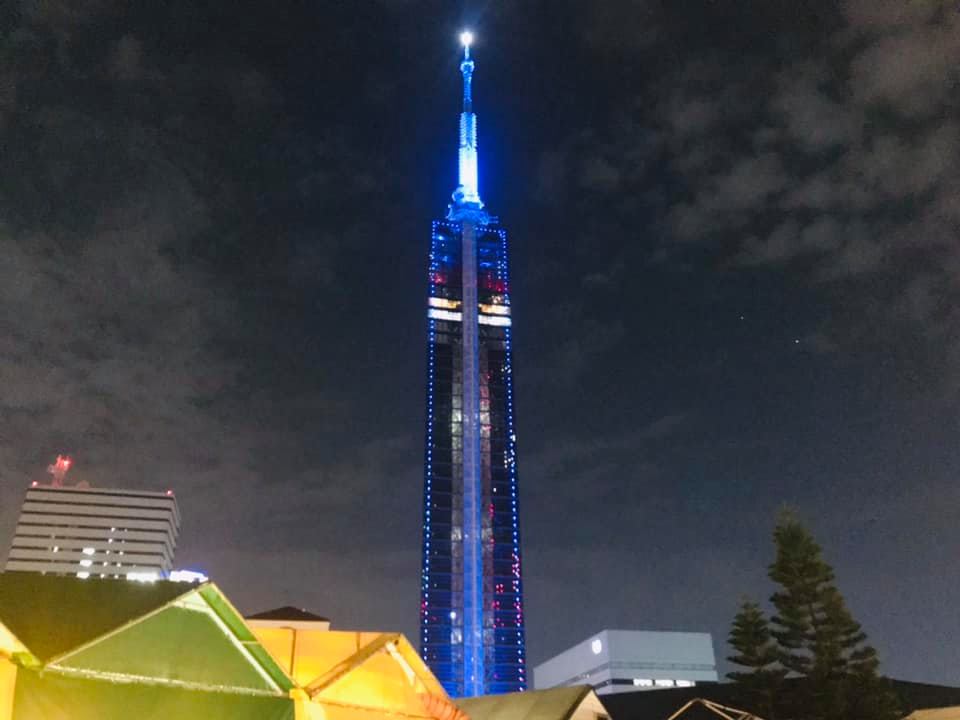
Fukuoka is the largest city in Kyūshū and has a reputation for being open and welcoming. Fukuoka Tower lights up in different colors throughout the year and is a popular date spot. The city is also famous for Hakata ramen, a rich pork-bone noodle soup that has spread worldwide. With both modern shopping districts and nearby nature, Fukuoka offers a balanced lifestyle.
Ōita
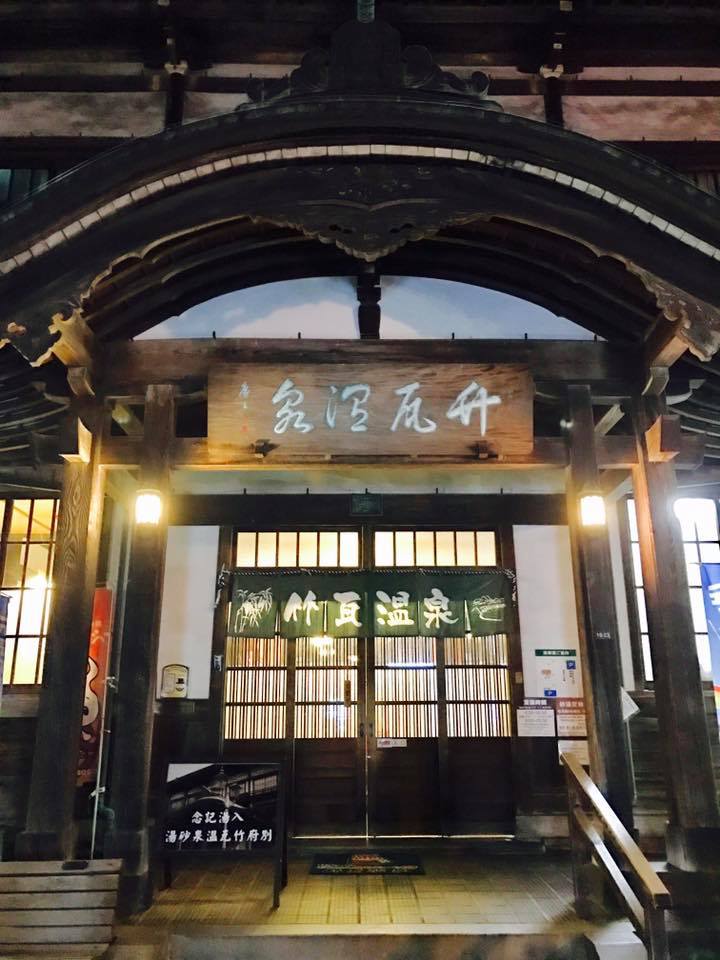
Ōita is often called the “onsen prefecture” because of its two famous hot spring areas, Beppu and Yufuin. Beppu is known for its steam rising from the ground and many unique bath styles, while Yufuin feels more boutique and relaxed. The smell of sulfur hits you as soon as you arrive, reminding you of its long history as a spa destination.
Saga
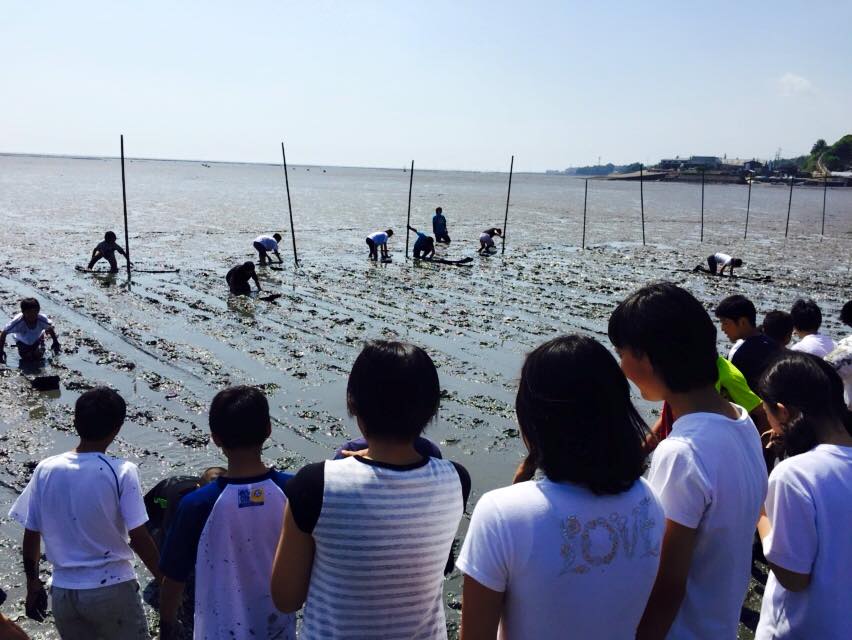
Saga is quieter and less known than its neighbors, but that is part of its charm. The Ariake Sea mudflats offer unusual activities like mud sports, and local roadside stations serve fresh oysters and other shellfish. Saga is also famous for Arita ware ceramics, a traditional craft. Although small, it offers peaceful countryside and hidden treasures.
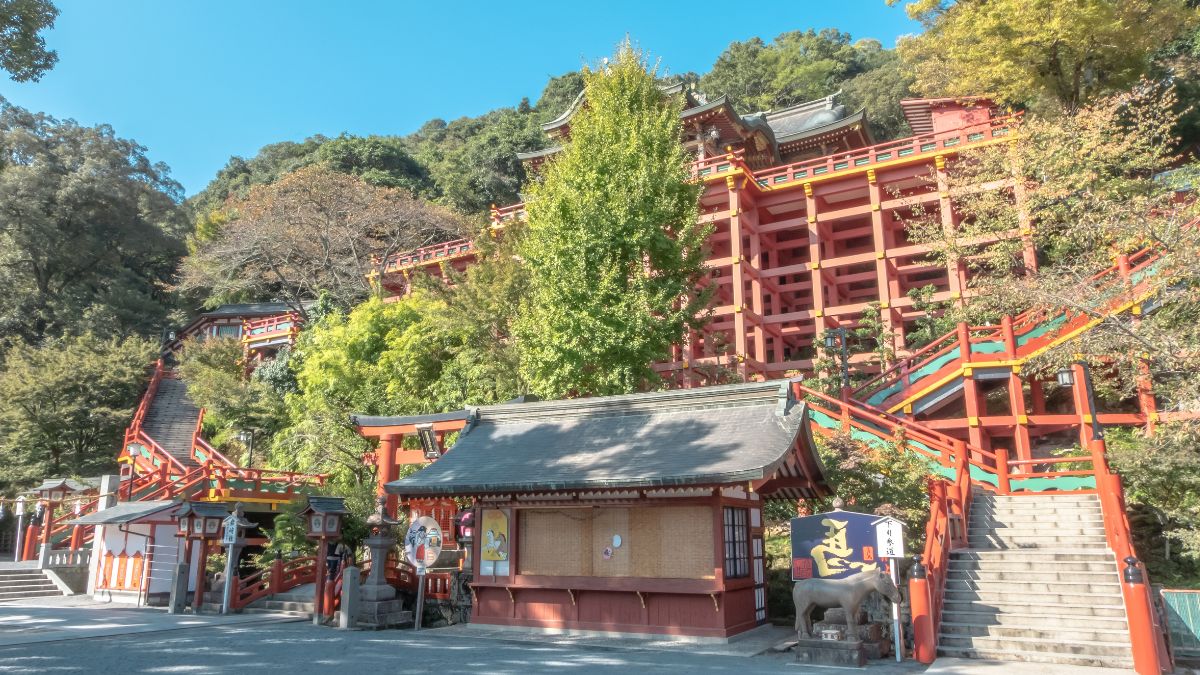
Nagasaki
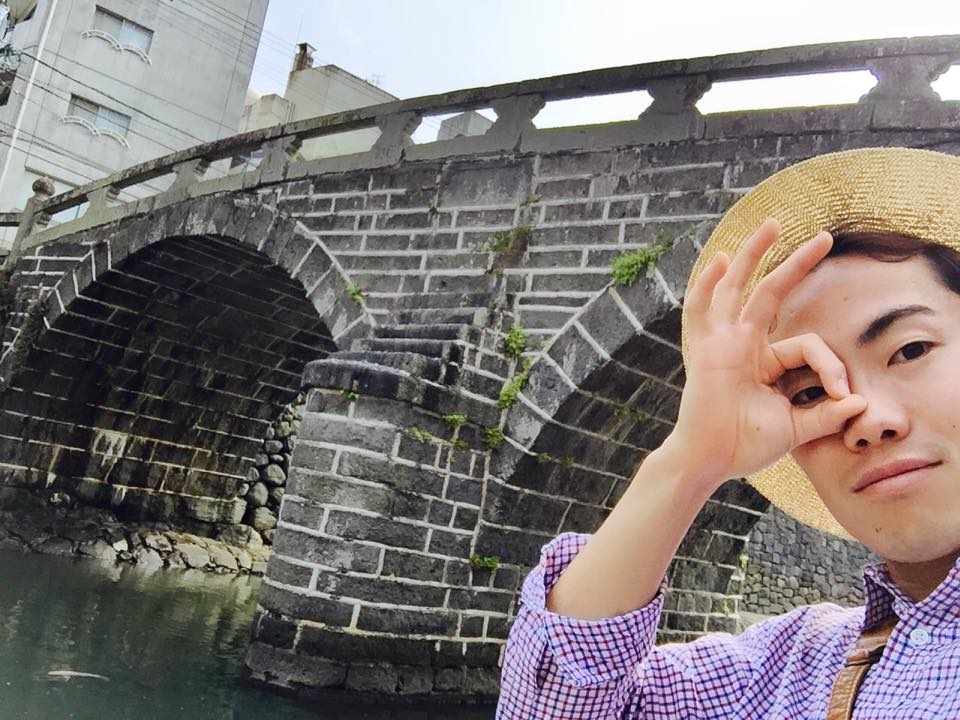
Nagasaki is a historic port city with a strong international influence, seen in its Western-style buildings and churches. Every January, the Nagasaki Lantern Festival fills the streets with thousands of glowing lanterns, creating a magical atmosphere. The city’s harbor views and hillside setting make it especially scenic.
Kumamoto
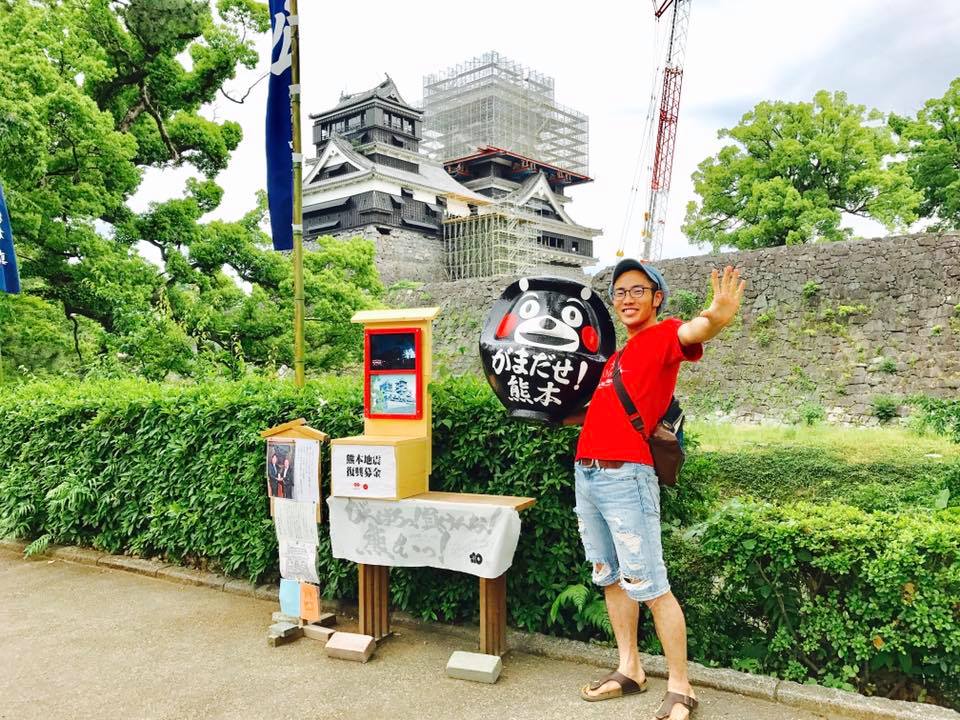
Kumamoto is best known for Kumamoto Castle, one of Japan’s great castles, rebuilt after the 2016 earthquake. The prefecture is also famous for basashi (horse meat sashimi) and Kumamoto ramen, which has a strong garlic flavor. The local mascot Kumamon is a national icon.
Miyazaki
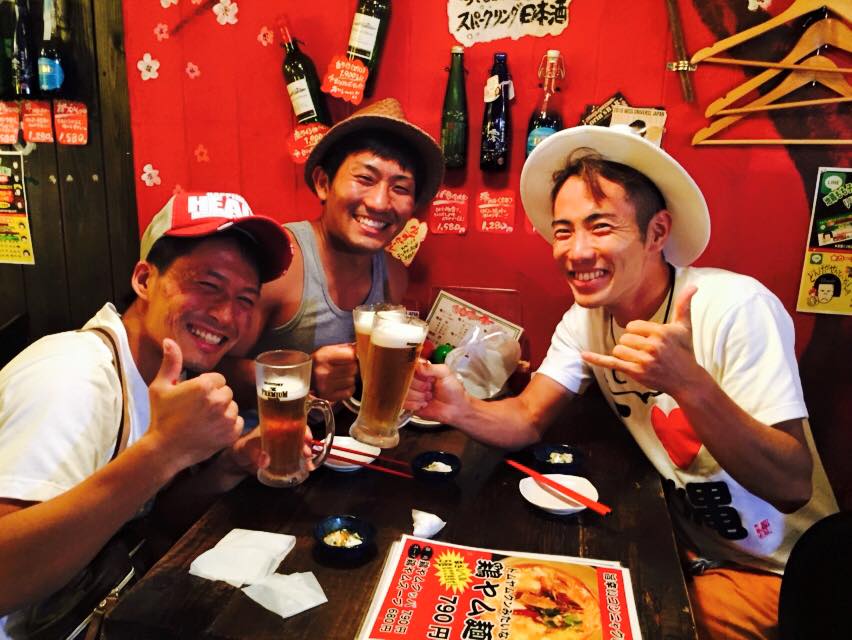
Miyazaki feels almost tropical, with palm trees along the streets and a laid-back atmosphere. It is famous for mangoes, chicken nanban, and popular surfing beaches. One unique attraction is Sun Messe Nichinan, where visitors can see life-size replicas of the Moai statues from Easter Island.
Kagoshima
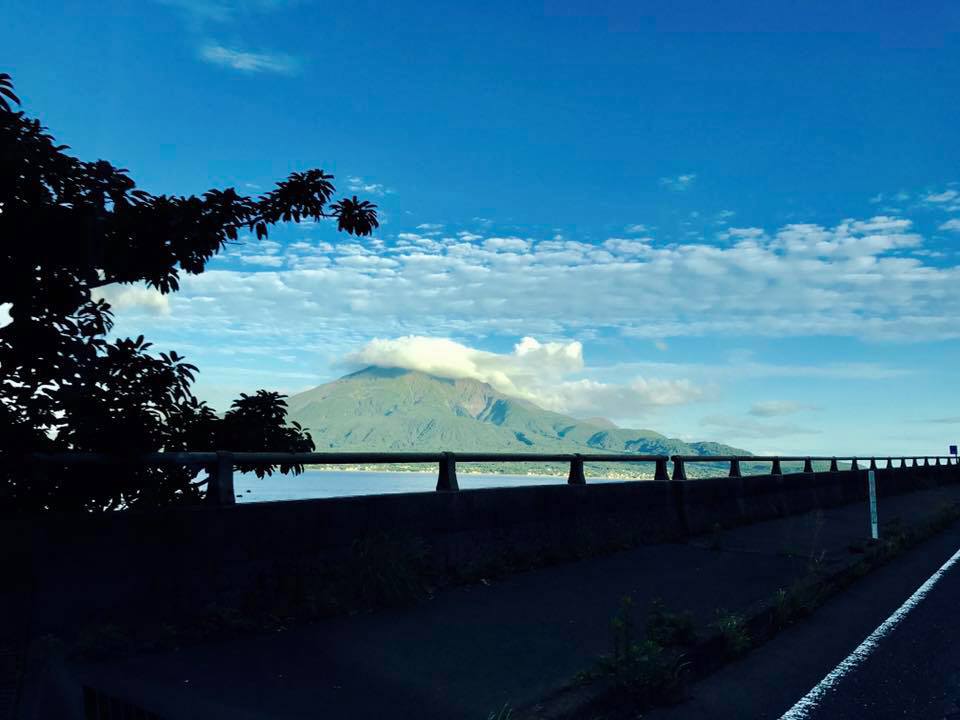
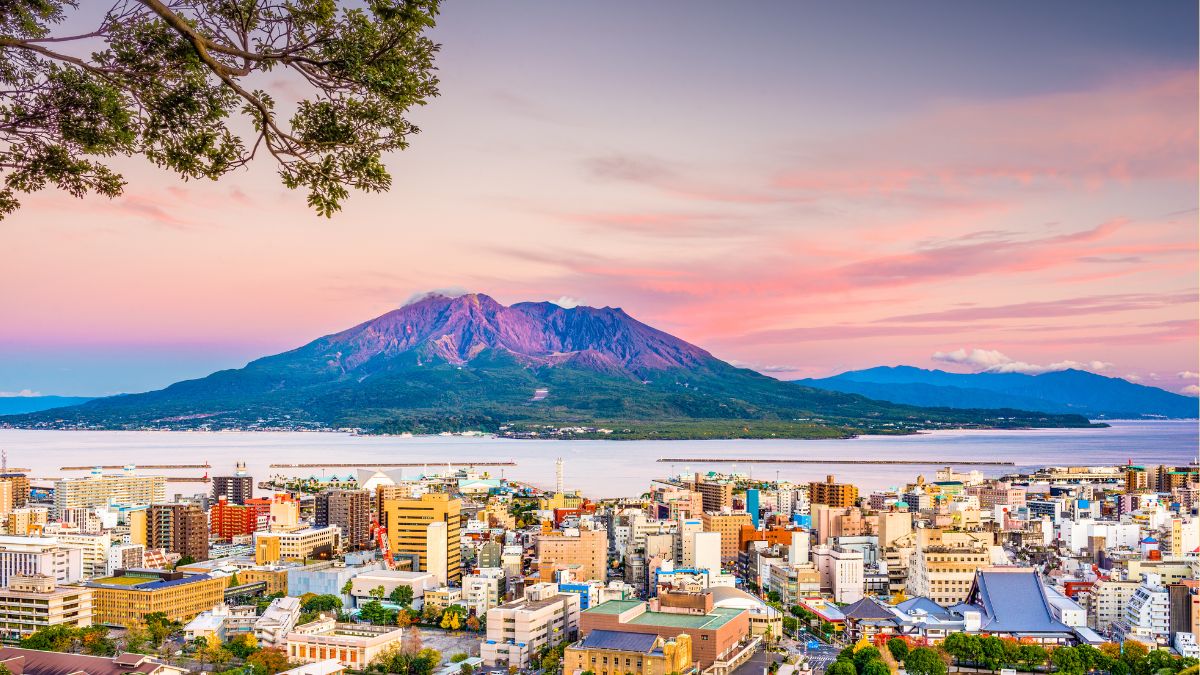
Kagoshima is the homeland of Saigō Takamori and is defined by the Sakurajima volcano, which is still active and overlooks the city. The prefecture also includes Amami Ōshima and other islands with beautiful beaches. Local specialties include Kagoshima black pork dishes and ramen.
Okinawa

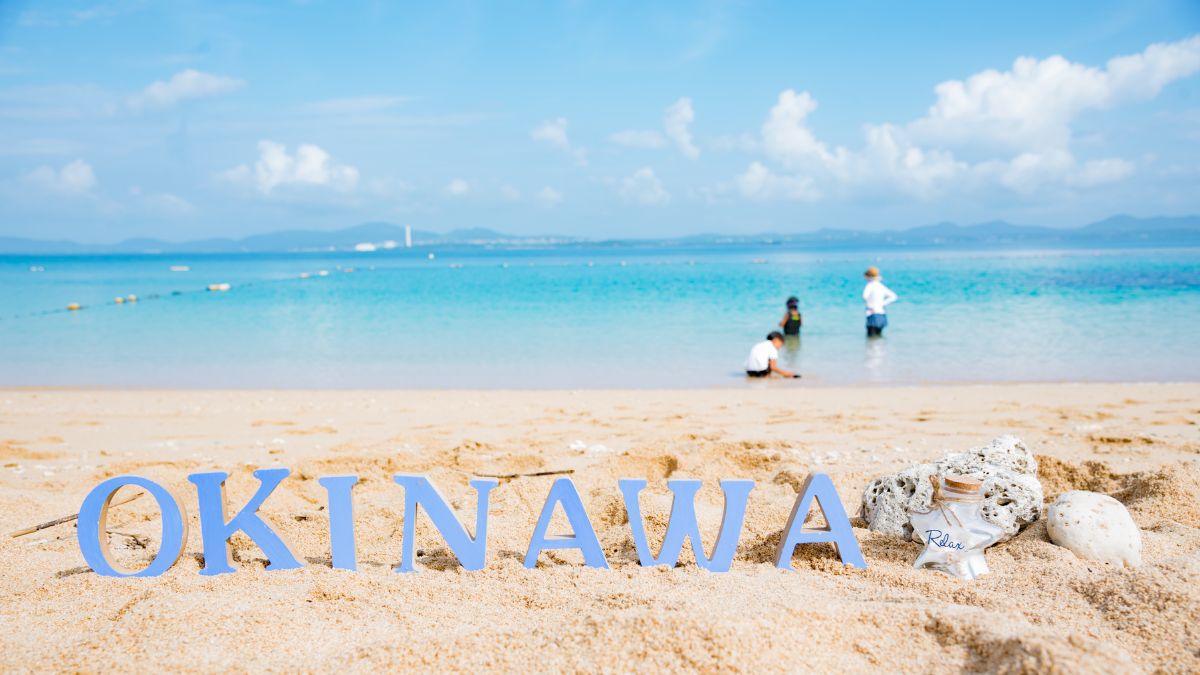
Okinawa feels completely different from the rest of Japan, with its subtropical climate, coral reefs, and unique traditions. I went scuba diving and rented a car to drive around the island. Okinawan cuisine, such as Okinawa soba and goya champuru, has its own distinct flavors. The combination of warm seas, local culture, and friendly people makes Okinawa unforgettable.
From Snowy Peaks to Tropical Seas: What I Learned Traveling All 47 Prefectures
Visiting every prefecture in Japan gave me a deep appreciation for the country’s diversity. From the snow-covered mountains of Hokkaidō to the tropical beaches of Okinawa, each place has its own flavor, traditions, and charm. The journey cost more than I expected, but the experiences—unique foods, historic sites, natural wonders, and warm encounters with locals—were priceless.
If you dream of exploring Japan, don’t feel pressured to do all 47 at once. Start with one region, taste its specialties, and experience its culture. Step by step, you’ll discover that Japan is not just a country—it’s a collection of 47 different stories waiting to be experienced.
![Is Bali Safe to Visit? Crime Risks, Common Scams & Travel Safety Tips [2025 Update]](https://okatakuma.tokyo/wp-content/uploads/2025/10/indonethia-300x169.jpg)
![Ubud Bali Travel Guide: 1-Day Itinerary, Must-See Attractions & How to Get There [2025]](https://okatakuma.tokyo/wp-content/uploads/2025/10/ubudo-300x169.jpg)
![Recommended Cafes in Canggu, Bali: 2 Stylish Hidden Gems Popular Among Women [2025]](https://okatakuma.tokyo/wp-content/uploads/2025/10/Bari-300x169.jpg)
![MCA Sydney Café Guide: Views, Access & Free Entry [2025]](https://okatakuma.tokyo/wp-content/uploads/2025/10/si-300x169.jpg)
![Sydney Opera House Projection Mapping Guide: Highlights & Latest Updates [2025]](https://okatakuma.tokyo/wp-content/uploads/2025/09/op-300x169.jpg)
![How to Book a Blue Mountains Tour from Sydney: Access, What to Wear & Travel Tips [World Heritage]](https://okatakuma.tokyo/wp-content/uploads/2025/09/Blue-Mountains-300x169.jpg)

